

2026 How to Choose a Coffee Solution for Global Buyers?

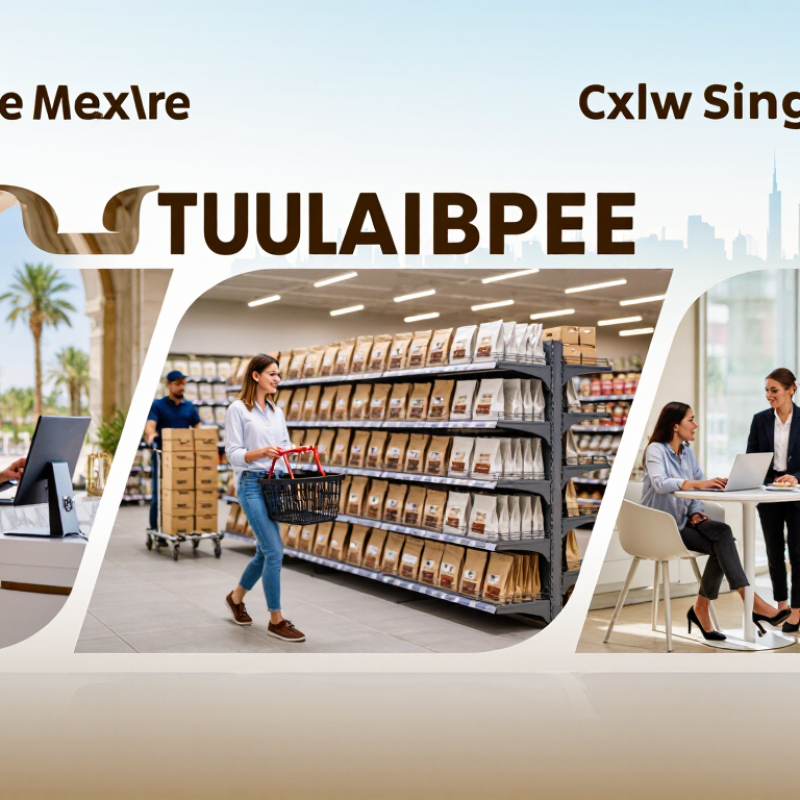
Choosing a Coffee Solution for global buyers is not simply a matter of comparing machines, beans, or prices. It requires a clear understanding of local demand, operating conditions, compliance expectations, and long-term service capacity. A hotel in Dubai may prioritize heat-resistant equipment and consistent espresso quality. A supermarket in Germany may need recyclable packaging, traceable sourcing, and reliable delivery schedules. A small office in Singapore may value compact design, simple cleaning, and low training requirements.

Real purchasing experience shows that attractive specifications do not always guarantee practical performance. Water hardness, electricity standards, staff turnover, and consumer preferences can change the final result. Buyers should examine extraction consistency, maintenance access, spare-part availability, warranty terms, and supplier response times. Taste matters. Total ownership cost matters more than many product brochures suggest.

No checklist is perfect.

Professional evaluation also requires credible evidence. Ask suppliers for testing records, food-safety documentation, origin information, and references from comparable markets. Independent certifications can support trust, but they should not replace direct verification. A successful Coffee Solution should balance quality, sustainability, usability, and commercial risk without creating unnecessary complexity.

Some assumptions may fail.

Global purchasing teams should remain willing to revise their criteria after pilot testing. A short trial can reveal unexpected waste, slow workflows, or confusing controls before a large investment is made. The strongest decision combines technical knowledge with practical observation. It also respects regional regulations, responsible sourcing principles, and the everyday people who will operate and enjoy the solution.
2026 How to Choose a Coffee Solution for Global Buyers?

Defining Coffee Solution Requirements for Global Markets

Choosing a coffee solution for global buyers begins with defining the market, not selecting equipment. A hotel in Dubai needs heat-resistant logistics and stable milk handling. An office in Berlin may prioritize compact design, energy use, and quiet operation.

The International Coffee Organization reported global coffee consumption at about 177.9 million 60-kilogram bags in 2023/24. Demand is broad, but requirements remain local.

Buyers should document beverage recipes, daily servings, peak-hour volume, bean format, water quality, power supply, and cleaning routines.

The USDA Foreign Agricultural Service forecast 2024/25 world coffee production at 174.9 million bags, showing the scale of supply. Yet supply volume does not guarantee consistent taste.

Roasting dates, storage temperature, packaging barriers, and transport time must be measurable. Water filtration deserves attention. Hard water can damage heating systems and change extraction results. Small details matter.

Compliance and service requirements should be written before price comparisons. Confirm food-contact materials, electrical standards, labeling rules, training, spare-part access, and documented sanitation procedures for each destination.

The ICO’s 2024 composite indicator averaged around 229 US cents per pound, reflecting a market where input costs can shift quickly. A useful specification therefore includes total cost, not only purchase price.

We may over-specify equipment and under-specify local support. That is a costly mistake.

Pilot testing with real operators, local water, and actual peak demand can reveal weaknesses that brochures hide.

Comparing Coffee Formats, Equipment, and Supply Models

2026 How to Choose a Coffee Solution for Global Buyers?
Global buyers need more than a pleasant cup. Coffee format affects freshness, labor, storage, and waste. Whole beans offer stronger aroma, but they require grinders and trained staff. Ground coffee saves preparation time, yet it loses fragrance faster after opening. Capsules provide clean portions and simple service, although packaging costs can rise quickly. Choose the format that fits daily volume, user skill, and local disposal facilities.

Equipment should match the workflow, not impress visitors. A small office may need a compact brewer, grinder, and water filter. A hotel breakfast area needs faster brewing, larger reservoirs, and easy cleaning. Check power requirements, voltage, counter space, spare parts, and operator training before purchasing.

Water quality matters. Hard water can leave scale inside heating systems. More automation is not always better.

Supply models deserve equal attention.

Spot purchasing offers flexibility but exposes buyers to price changes and shipping delays. Contract supply can improve planning, provided quality standards and delivery terms are clear. Managed replenishment may reduce stockouts, but inaccurate consumption data can create excess inventory. Ask for roast dates, batch records, packaging details, and realistic lead times.

I once underestimated storage space during a seasonal promotion. The coffee arrived on time, but the warehouse became difficult to operate. That mistake still influences how I compare suppliers.

No model is perfect. Test a small shipment before scaling.

Evaluating Quality, Cost, Compliance, and Sustainability

2026 How to Choose a Coffee Solution for Global Buyers?

Evaluating Quality, Cost, Compliance, and Sustainability

A reliable coffee solution starts with measurable quality, not attractive samples alone. Buyers should request moisture levels, defect counts, cup profiles, and batch consistency records. Small tasting differences can become serious complaints across large shipments. Test samples under controlled brewing conditions. Record water temperature, grind size, and extraction time. Details matter.

Cost requires a wider view. Compare the coffee price, freight, storage, testing, duties, and possible waste. A cheaper shipment may create higher expenses through inconsistent roasting or delayed delivery. Ask for clear payment terms and realistic lead times. Keep a contingency plan. Markets rarely behave perfectly.

Compliance should cover food safety, labeling, traceability, labor practices, and import documentation. Request current certificates and verify their scope. Do not treat paperwork as proof of every claim. Independent testing and facility audits provide stronger evidence. Sustainability needs similar discipline. Examine farming methods, water use, packaging materials, and progress toward lower emissions. A polished sustainability statement is not enough.

No scorecard is perfect. Weight each category according to your market, customer expectations, and risk tolerance. A solution with excellent quality may still fail through weak documentation. Another may reduce packaging but lack dependable supply. Recheck performance after several deliveries. Your first decision can be reasonable and still need revision.

Matching Coffee Solutions to Regional Buyer Needs

Global buyers rarely need the same coffee solution. Regional habits, climate, logistics, and preparation methods shape every purchase decision. USDA Foreign Agricultural Service’s Coffee: World Markets and Trade report forecasts 178.7 million 60-kilogram bags of global production for 2025/26. Abundant supply does not mean uniform demand.

In North America, buyers may prioritize convenient formats, consistent flavor, and fast replenishment. European buyers often require traceable sourcing, recyclable packaging, and clear environmental documentation. The European Commission’s deforestation regulation increases the importance of geolocation and supply-chain records for relevant coffee imports. In Asia-Pacific markets, soluble coffee, ready-to-drink products, and smaller pack sizes may suit urban routines. The International Coffee Organization reported strong global consumption growth in recent years, but regional preferences remain uneven.

Local conditions matter more than a polished sales deck. Humid markets need stronger packaging barriers. High-altitude cities may require equipment calibration and staff training. In water-stressed areas, brewing efficiency deserves attention. A buyer in a coastal warehouse may value moisture protection more than a wider flavor menu.

Start with interviews, not assumptions. Ask how coffee is stored, brewed, priced, and replaced. A spreadsheet cannot reveal every service failure. That is the uncomfortable part. The right solution may combine equipment, training, quality control, and flexible delivery instead of one fixed product. Data guides the decision, but field testing should have the final voice.

Selecting Suppliers and Planning Long-Term Implementation

How to Choose a Coffee Solution for Global Buyers in 2026?

Selecting a supplier should begin with evidence, not a polished catalogue. The International Coffee Organization reported global consumption of about 177.9 million 60-kilogram bags in 2023/24. That scale increases pressure on supply continuity, quality control, and technical support. Ask suppliers for origin records, harvest information, testing procedures, and realistic lead times. A low price can still be the wrong decision.

Long-term implementation needs a measurable pilot. Test the coffee solution in different markets, water conditions, climates, and workplace routines. Record extraction time, daily usage, cleaning effort, waste, and service response. The Specialty Coffee Association’s research emphasizes water quality and brewing control as major factors in cup consistency. Therefore, suppliers should provide filtration guidance, operator training, maintenance schedules, and accessible spare parts.

Do not trust promises alone. Request performance data from comparable installations, including failure rates and average repair times. The World Bank’s Commodity Markets Outlook has repeatedly highlighted how weather and logistics can influence agricultural commodity prices. Build a two-source plan where practical, but avoid creating unnecessary complexity. Our first evaluation may favor the cheapest equipment. That is a warning sign. Lifecycle cost, staff confidence, and local service often matter more after year two. Review the program quarterly, because even a carefully designed plan can become outdated.

2026 How to Choose a Coffee Solution for Global Buyers? - Selecting Suppliers and Planning Long-Term Implementation
Evaluation Dimension Planning Benchmark or Requirement Why It Matters for Global Buyers Recommended Verification Method Priority
Coffee Format Whole bean, ground coffee, capsules, or ready-to-drink formats should be matched to the equipment, consumer occasion, and distribution channel. Format affects shelf life, packaging requirements, logistics, equipment compatibility, and consumer experience. Run a product trial in the target market and confirm compatibility with intended brewing equipment. High
Origin and Blend Flexibility Request at least two approved origin or blend alternatives for each core product to reduce exposure to crop variability and supply disruption. Coffee is an agricultural commodity, so harvest conditions, availability, and prices can change by origin and season. Review origin statements, seasonal substitution rules, cupping samples, and documented blend specifications. High
Quality Consistency Define measurable specifications for roast level, moisture, grind size, sensory profile, defect tolerance, and batch acceptance. Clear specifications reduce variation between shipments and make supplier performance measurable. Use retained samples, pre-shipment approval, sensory scoring, and periodic laboratory or third-party testing. High
Freshness and Shelf Life For roasted coffee, agree on a roast-date policy, minimum remaining shelf life at delivery, and suitable degassing time before dispatch. Roasted coffee gradually loses aroma and freshness after roasting, making production timing and stock rotation important. Check roast dates, best-before dates, packaging performance, storage conditions, and first-expiry-first-out procedures. High
Packaging Protection Use packaging appropriate to the format, including oxygen and moisture barriers; roasted coffee commonly requires a one-way degassing valve. Oxygen, moisture, light, heat, and physical damage can accelerate quality deterioration during international transport. Review packaging specifications, seal-integrity tests, valve performance, pallet configuration, and transport trial results. High
Food Safety System Supplier should maintain a documented hazard-control system based on HACCP principles or an equivalent recognized food-safety framework. Food-safety controls support regulatory compliance, traceability, recall readiness, and buyer risk management. Request valid certificates, audit summaries, corrective-action records, allergen controls, and product-traceability procedures. High
Traceability Each shipment should be traceable to production records, raw-material lots, packaging materials, and dispatch documentation. Traceability allows faster investigation and targeted action if a quality or compliance issue occurs. Conduct a mock recall and confirm that lot codes can be linked from finished goods back to relevant input records. High
Certifications and Claims Validate organic, fair-trade, sustainability, or ethical-sourcing claims according to the legal requirements of each destination market. Claims may require certification, chain-of-custody evidence, approved wording, and market-specific labeling controls. Verify certificate scope, validity dates, transaction records, audit status, and on-pack claim approvals. High
Minimum Order Quantity Set the initial order around forecasted demand, minimum viable production volume, shelf-life limits, and warehouse capacity. A low MOQ can reduce inventory risk, while a higher MOQ may improve unit economics but increase working-capital exposure. Compare MOQ by product, format, packaging type, customization level, and repeat-order frequency. Medium
Lead Time and Capacity Document standard production lead time, peak-season lead time, raw-material replenishment time, and emergency capacity. Reliable lead-time information supports safety-stock planning and helps prevent stockouts during demand peaks. Review historical delivery performance, production capacity, capacity reservation options, and escalation contacts. High
Logistics and Incoterms Compare total landed cost under appropriate Incoterms, including product cost, freight, insurance, duties, customs fees, and inland delivery. The lowest quoted product price may not produce the lowest delivered cost or the clearest allocation of transport risk. Request a route-specific landed-cost model and confirm responsibility for export clearance, import clearance, insurance, and delivery. High
Market Compliance Confirm destination-market requirements for food registration, ingredients, nutrition information, allergens, language, packaging, and date coding. Non-compliant labels or documentation can delay customs clearance, trigger relabeling costs, or prevent sale. Complete a regulatory review before artwork approval and obtain destination-specific documentation from the supplier. High
Customization Capability Assess the ability to support private-label artwork, pack sizes, roast profiles, blends, preparation instructions, and regional variants. Customization can improve market fit but may increase tooling, artwork, testing, MOQ, and approval requirements. Request a customization matrix showing setup costs, approval stages, minimum quantities, and repeat-order conditions. Medium
Sustainability Data Collect evidence on packaging materials, recyclability, energy use, waste reduction, responsible sourcing, and emissions reporting. Transparent environmental data supports customer requirements and helps buyers prepare for evolving sustainability expectations. Ask for measurable indicators, methodology, supporting records, and the scope of any environmental claims. Medium
Commercial Stability Evaluate payment terms, price-adjustment mechanisms, currency exposure, contract duration, and continuity plans. Long-term supply programs require predictable commercial conditions and a clear response to commodity or freight volatility. Use a written supply agreement with review periods, service levels, quality remedies, force-majeure terms, and exit provisions. High
Implementation Phase Plan a staged rollout: qualification, pilot shipment, market test, controlled scale-up, and quarterly performance review. A phased approach limits financial and operational risk while generating evidence before full-market deployment. Define stage-gate criteria for quality, delivery, customer feedback, landed cost, and regulatory approval. High
Long-Term KPIs Track on-time-in-full delivery, complaint rate, product acceptance, forecast accuracy, inventory days, waste, and total landed cost. Balanced KPIs prevent purchasing decisions from focusing only on unit price and reveal the real cost of supply performance. Review KPI results monthly during launch and at least quarterly after the supply program is stable. High
Planning note: Benchmarks should be adapted to the coffee format, destination-market regulations, forecast volume, service model, and required level of customization. All supplier claims and certifications should be independently verified before commercial approval.

REQUEST FOR PORPOSAL

Bring the essence of Current to your space! Whether you envision a cozy coffee kiosk, a stylish window café, a dynamic coffee bar, or a multi-station coffee drive-through, the possibilities are endless.  Please fill out the form below to submit your proposal request. Our team will review your information and get back to you shortly.