What is AR Smart Glasses and How Do They Work?
AR Smart Glasses represent a revolutionary shift in how we interact with digital content. According to industry reports, the augmented reality market is expected to reach $198 billion by 2025. This growth is largely driven by advancements in AR Smart Glasses technology. They merge the digital and physical worlds, allowing users to access information hands-free.
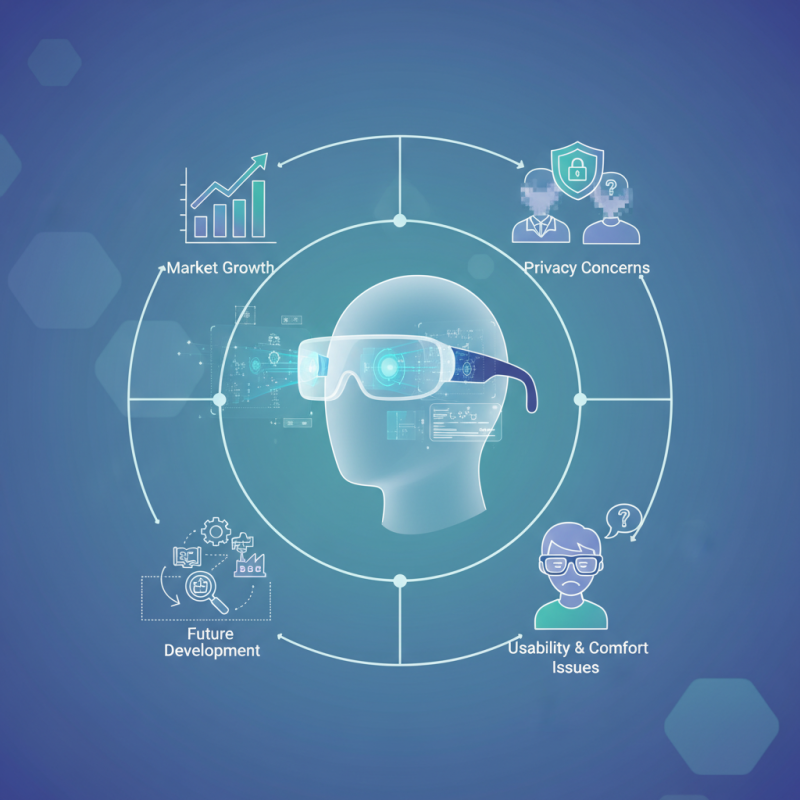
Despite their potential, the adoption of AR Smart Glasses has faced challenges. One report indicated that 40% of consumers are concerned about privacy. This sentiment could hinder widespread acceptance. Additionally, the usability of these devices varies significantly. Some users report discomfort during extended use. These issues highlight the need for improvements in design and functionality.
AR Smart Glasses offer exciting possibilities for various industries. From healthcare to education, their applications are vast. However, the technology is still in its infancy. As more users share their experiences, companies must address existing drawbacks. This feedback loop is vital for future development and user satisfaction.
What are AR Smart Glasses and Their Evolution Over Time
AR smart glasses have come a long way since their inception. Initially, they were bulky and clunky. The technology struggled to provide a seamless experience. Early iterations focused mainly on basic augmented reality features. Users found them limited and often frustrating to use. As innovations in optics and processing power emerged, things began to change.
The evolution of AR smart glasses is fascinating. Modern designs are sleeker and more stylish. They often incorporate lightweight materials, making them more comfortable for everyday wear. Advances in display technology allow for clearer visuals. Users can interact with their environment in unique ways. However, with progress comes challenges. Battery life remains a concern. Users often wish for longer-lasting devices. Moreover, there are still issues with software integration. Many applications do not fully utilize the hardware capabilities. This leaves room for further improvement and refinement in the sector.
Key Technologies Behind AR Smart Glasses: Sensors and Displays
Augmented Reality (AR) smart glasses are evolving rapidly. They rely heavily on advanced sensor and display technologies. At the core, sensors gather environmental data, including gyroscopes, accelerometers, and depth sensors. According to a report by MarketsandMarkets, the global AR devices market is expected to reach over $198 billion by 2025. This growth highlights the significance of these foundational technologies.
Display technology plays a crucial role in user experience. Techniques like microLED and OLED are common. These displays provide vivid colors and sharp images. However, the design often sacrifices comfort for functionality, leading to bulky frames. Users sometimes feel discomfort during extended use. Industry insights suggest that nearly 25% of users express concerns about practicality and comfort with current designs.
Gathering and processing data in real-time can also present challenges. Spatial recognition systems must accurately map surroundings. Yet, inaccuracies can lead to frustrating experiences. Research shows that about 30% of users encounter issues with tracking performance. Addressing these limitations will be critical for the future of AR smart glasses.
How AR Smart Glasses Enhance User Experience Across Different Industries
AR smart glasses are revolutionizing various industries by enhancing user experience. In healthcare, surgeons can access vital patient information hands-free. This allows for a more focused approach during intricate procedures. Additionally, training new medical staff becomes more interactive and engaging using AR simulations. However, the dependence on technology raises questions about the balance between human intuition and machine guidance.
In retail, AR glasses create immersive shopping experiences. Customers can visualize products in their homes before making a purchase. This can reduce returns and increase satisfaction. Yet, not all consumers will embrace this technology. Some may prefer the traditional shopping experience. This indicates a need for thoughtful integration of AR solutions.
The manufacturing sector also benefits significantly. Workers wearing AR glasses receive real-time data and instructions while they work. This improves efficiency and minimizes errors. However, reliance on augmented information might lead to overconfidence, causing mistakes. As industries adopt AR smart glasses, the user experience must remain at the forefront of design and implementation.
Market Trends: The Growth of AR Smart Glasses in Consumer and Enterprise Sectors
The augmented reality (AR) smart glasses market is expanding rapidly. Recent reports indicate that the global AR glasses market is projected to reach $60 billion by 2023. This growth is driven by interest from both consumers and enterprises. With a rising demand for immersive experiences, AR smart glasses are becoming more accessible.
In the consumer sector, applications range from gaming to navigation. Many people enjoy using AR glasses for enhanced shopping experiences. Gamers are particularly enthusiastic, often seeking more interactive gameplay. However, the technology faces challenges, such as privacy concerns and battery life limitations. These issues lead to skepticism among potential users.
Enterprises are also adopting AR technology at an increasing rate. Industrial applications enhance training and maintenance processes. Companies report increased efficiency when integrating AR solutions. Yet, some organizations struggle with implementation due to costs. The growth in this area highlights a need for better strategies to integrate AR into everyday workflows. Balancing innovation with practicality remains a key hurdle.
Challenges and Future Prospects of AR Smart Glasses Adoption
The adoption of AR smart glasses presents various challenges. One major issue is the technology’s current limitations. Many users find the glasses heavy and uncomfortable for long periods. The battery life often falls short, restricting prolonged use. This leads to user frustration and limits their appeal.
Privacy is another significant concern. The use of cameras in smart glasses raises questions about surveillance. People worry about being recorded without consent. Such fears can hinder broader acceptance. Additionally, the need for constant connectivity can be a barrier. Not all users have reliable internet access, affecting usability in many areas.
The future of AR smart glasses looks promising, yet hurdles remain. Developers must focus on improving design and functionality. Making glasses lighter and enhancing battery life could drive adoption. Addressing privacy concerns is essential for trust. As these challenges are tackled, AR smart glasses may find their place in everyday life. The potential is enormous, but it requires careful consideration.