How to Choose the Best Butterfly Valves for Sale?
When it comes to selecting butterfly valves for sale, making the right choice is crucial. The global valve market is expected to exceed $100 billion by 2027, with butterfly valves playing a significant role. Understanding their features, types, and applications can greatly influence your decision-making process.
Butterfly valves are known for their lightweight design and quick operation. They are widely used in multiple industries, such as water treatment, oil and gas, and chemical processing. For instance, a recent market analysis noted that the demand for butterfly valves in water and wastewater management has surged by 30% over the past five years. This growth emphasizes the need for high-quality options available for sale.
However, not all butterfly valves are created equal. Factors like material compatibility and pressure ratings are vital in ensuring optimal performance. Consumers often overlook these details, leading to potential failures or costly repairs. It’s important to critically assess your specific needs and avoid rushing into purchases without thorough research.
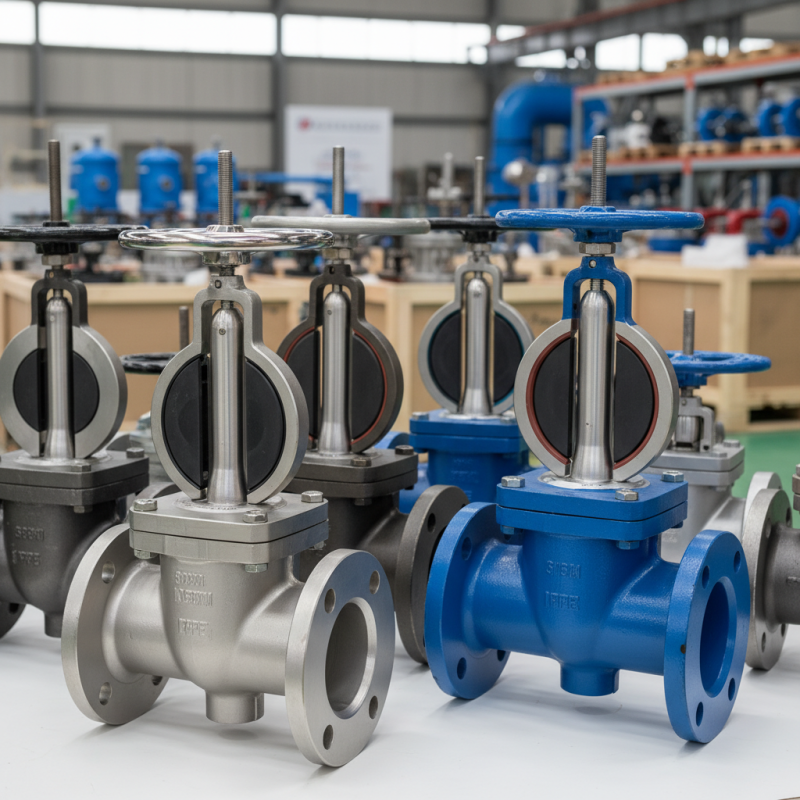
Understanding Butterfly Valves: Types and Mechanisms
Butterfly valves are essential for regulating flow in various systems. Understanding their types and mechanisms helps make informed choices. There are two main types: wafer and lug-style butterfly valves. The wafer valves fit between flanges, while lug-style valves attach directly to the pipe. This difference affects installation and maintenance.
The operating mechanism of butterfly valves is simple yet effective. A disc rotates to control flow. When open, the disc aligns with the pipeline. When closed, it blocks the passage. However, users often overlook how this rotation impacts flow characteristics. Flow turbulence can increase when the valve is partially open. This is crucial to consider in design.
Another factor to reflect on is the material used. Common materials include ductile iron, stainless steel, and plastic. Each material has unique properties, affecting durability and cost. For example, plastic valves are lightweight but may not handle high pressures well. Users often face a trade-off between cost and longevity. Evaluate the environment where the valve will operate. It’s not easy, and sometimes mistakes are made.
How to Choose the Best Butterfly Valves for Sale? - Understanding Butterfly Valves: Types and Mechanisms
| Type of Butterfly Valve | Material | Size Range (inches) | Temperature Range (°F) | Pressure Rating (psi) |
| Lug Butterfly Valve | Cast Iron | 2 - 12 | -20 to 400 | 150 |
| Wafer Butterfly Valve | Stainless Steel | 2 - 24 | -50 to 300 | 200 |
| Double Flanged Butterfly Valve | Ductile Iron | 4 - 30 | -20 to 250 | 300 |
| Electric Butterfly Valve | PVC | 1 - 10 | -10 to 140 | 150 |
| Resilient Seated Butterfly Valve | Rubber Lined Carbon Steel | 2 - 16 | -20 to 180 | 150 |
Key Considerations for Selecting Butterfly Valves
When selecting butterfly valves, several key considerations come into play. The material is crucial. Common options include cast iron, stainless steel, and plastic. Each option has unique properties, influencing the valve's performance. According to a recent industry report, stainless steel valves are favored for their corrosion resistance, especially in harsh environments. These materials can withstand high temperatures and pressures, improving the overall efficiency of fluid systems.
Another important factor is the valve size. Sizing ensures compatibility with existing systems. A valve that's too small may restrict flow, while an oversized valve could lead to inefficiencies. Data indicates that improperly sized valves can reduce system performance by up to 25%. Additionally, consider the type of actuator. Manual, electric, or pneumatic actuators offer different benefits. The choice depends on the specific application and desired response time.
Moreover, the sealing mechanism should not be overlooked. Rubber, PTFE, or metal seals each have distinct advantages. A poorly designed seal can lead to leaks and costly repairs. Diligent evaluation of sealing materials can mitigate these risks. While many users focus on price, the initial cost does not always reflect long-term value. Cheaper options may incur higher maintenance costs. It's essential to balance price and performance to find the best fit for your needs.
Sales Comparison of Different Butterfly Valve Types
This chart illustrates the sales comparison of different types of butterfly valves in 2023, showcasing how many units of each type were sold. The data can assist buyers in understanding the popularity and possible preferences for various butterfly valve styles.
Evaluating Material Compatibility and Durability
When choosing butterfly valves, material compatibility is key. Different environments require specific materials. For instance, a corrosive setting needs higher-grade materials. Stainless steel or high-quality plastic may be essential here. On the other hand, low-pressure systems might do well with standard metals. Consider the operating temperature too, as it can affect durability.
Tips: Always check the chemical resistance charts. They offer valuable insights for material selection. It might be worth consulting an expert if uncertainties arise.
Durability is another critical factor. Valves face wear and tear over time. This is especially true in high-flow applications. Look for features like reinforced seals or harder surfaces. As a potential user, reflect on your usage conditions. Is the environment stable? Or does it change often? This can help you avoid poor choices.
Tips: Perform regular maintenance checks. Early detection of wear can save costs in the future. Also, think about the valve’s life cycle before purchase. Consider not just the initial investment, but long-term efficiency.
Sizing and Pressure Ratings for Optimal Performance
When selecting butterfly valves, sizing and pressure ratings are crucial. A valve's size affects flow rates and system efficiency. According to the American National Standards Institute (ANSI), proper sizing ensures minimal pressure loss and optimal performance. A wrongly sized valve can lead to turbulence or inefficient flow, resulting in increased energy costs.
Pressure ratings, measured in pounds per square inch (PSI), indicate how much pressure a valve can withstand. For instance, a valve rated for 150 PSI might not perform well in high-pressure systems. It's essential to refer to the American Society of Mechanical Engineers (ASME) standards when evaluating these ratings. Many systems operate at pressures higher than expected, jeopardizing valve integrity.
Pay close attention to the materials used in butterfly valves. Different materials can handle varying pressures. A valve made from cast iron may not be suitable for corrosive fluids or high-pressure sites. Experimenting with different types often leads to suboptimal choices. Selectivity is key here, as deviations may incur higher long-term costs.
Maintenance Tips for Long-lasting Butterfly Valves
When selecting butterfly valves, maintenance is crucial for ensuring longevity. Regular checks can prevent failures. Inspect seals and gaskets for wear. According to industry reports, nearly 30% of valve failures arise from seal degradation. Replacing worn components can extend the valve's life significantly.
Proper lubrication is essential. The right lubricant reduces friction and minimizes wear. A study indicated that 45% of machinery failures are linked to inadequate lubrication practices. A simple task like greasing can save costs and enhance performance.
Monitoring environmental conditions also matters. High temperatures or corrosive substances can accelerate wear. Using protective coatings can help. Many users overlook this step, which leads to premature failures. A proactive approach can yield better results and fewer surprises in operation. Maintenance should not be an afterthought; it is a critical part of valve management.