How to Choose the Best Waterjet Cutting Machinery for Your Needs?
Choosing the best waterjet cutting machinery can be daunting. With so many options available, it is easy to feel overwhelmed. Waterjet cutting technology offers precision and versatility. This machinery can cut various materials, from metals to glass.
Consider your specific needs before making a decision. What materials will you frequently cut? How thick are these materials? The answers to these questions will guide you. Some machines excel in speed, while others focus on precision. Each has its strengths and weaknesses.
Budget also plays a crucial role. High-quality machines often come at a steep price. However, investing in reliable equipment can save money over time. It's worth doing thorough research. Talk to users and read reviews. This process may reveal unexpected insights. Ultimately, the right waterjet cutting machinery should align with your operational goals. Choose wisely, as it affects your production efficiency and project outcomes.
Understanding the Basics of Waterjet Cutting Technology
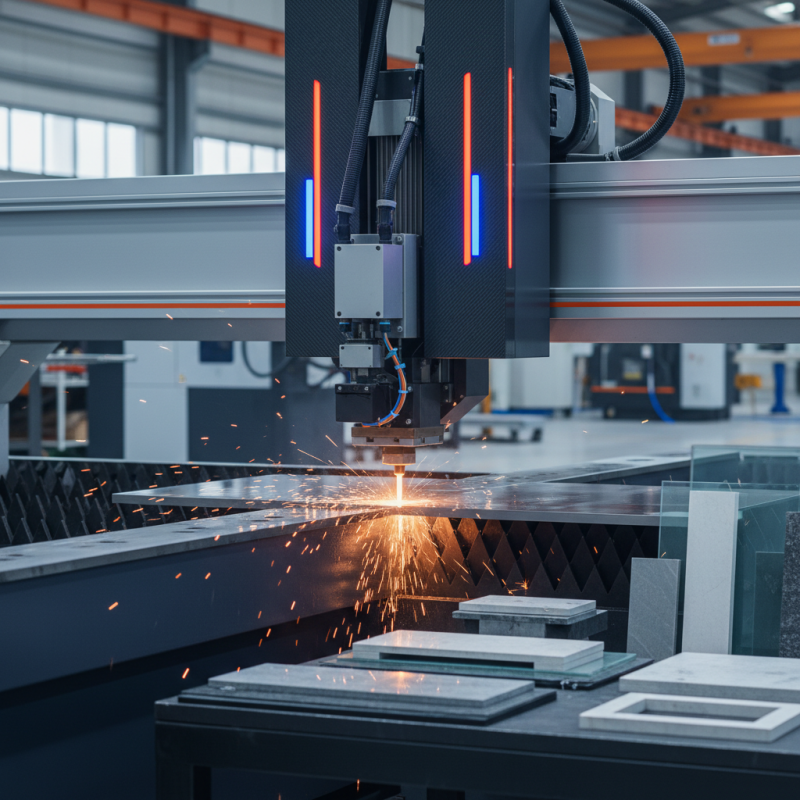
Waterjet cutting technology is a remarkable process. It uses high-pressure water jets to cut various materials. This process is effective for metal, stone, glass, and even food. The versatility of this technique makes it popular in many industries. Understanding the basics helps you make informed choices.
When selecting waterjet cutting machinery, consider material thickness. Different machines handle various thicknesses better. Some are designed for thin materials, while others excel with thicker ones. Knowing your needs is essential to avoid costly mistakes.
Tips: Always check the machine’s maximum cutting capacity. Look for options that provide adjustable pressure settings. This flexibility allows you to customize the process for different materials. Another aspect to reflect on is the speed of cutting. Faster does not always mean better. Sometimes a slower speed yields cleaner cuts.
Evaluate maintenance requirements too. Waterjet machines need regular upkeep. Neglecting this can lead to performance issues. Balancing speed, materials, and maintenance is crucial for success. Take the time to research different machines thoroughly. Make sure they align with your specific needs and applications.
Identifying Your Specific Cutting Needs and Applications
Selecting the right waterjet cutting machinery starts with understanding your specific cutting needs. What are you planning to cut? Different materials require different approaches. Consider the thickness of the materials. A thick steel plate may need a more robust machine than delicate glass. Evaluate how intricate the designs are. Complex cuts require precision, so a machine with higher accuracy is essential.
Another factor is the volume of production. Will you be cutting parts in small quantities or large batches? High-volume tasks might demand a machine with faster processing capabilities. Do you need to switch between various materials frequently? If so, versatility should be a priority in your decision. Features such as interchangeable nozzles might be beneficial.
It's also essential to weigh the cost versus performance. A more expensive machine might not always be the best fit. Reflect on your budget constraints and long-term goals. Can the machine grow with your business? Think about maintenance and available support. Sometimes, investing in higher maintenance costs may lead to operational challenges.
How to Choose the Best Waterjet Cutting Machinery for Your Needs?
| Cutting Material | Thickness (inches) | Cutting Speed (inches/min) | Recommended Pump Power (HP) | Typical Applications |
| Steel | 0.25 - 6 | 5 - 10 | 30 - 100 | Fabrication, Manufacturing |
| Aluminum | 0.125 - 3 | 10 - 20 | 20 - 60 | Aerospace, Automotive |
| Glass | 0.125 - 1 | 8 - 15 | 15 - 40 | Art, Architecture |
| Stone | 0.5 - 12 | 2 - 6 | 50 - 200 | Construction, Landscaping |
| Plastic | 0.125 - 2 | 10 - 25 | 15 - 50 | Packaging, Prototyping |
Evaluating Different Types of Waterjet Cutting Machinery
When evaluating different types of waterjet cutting machinery, consider the specifics of your projects. Waterjet cutting machines vary in size, pressure, and capabilities. Some are designed for thick materials while others excel in precision cutting. Think about what you cut most often. Is it metal, stone, or glass?
Tip: Analyze your most common materials. This helps you narrow down machines that fit your needs. For example, machines with higher intensities can cut thicker materials more efficiently. They may come at a higher cost, but the long-term benefits can be significant.
Also, assess the machine's versatility. A multi-functional machine could save space and cost. However, it may require adjustments, potentially affecting efficiency. It's crucial to weigh these aspects carefully. A larger machine may seem powerful but could be underutilized for smaller tasks.
Tip: Create a checklist of desired features. Knowing what you want can make the selection process easier. Don’t forget to consider maintenance. Some machines require more upkeep than others. Factor in your team’s experience level as it influences operational efficiency.
Waterjet Cutting Machinery Comparison
This chart compares different types of waterjet cutting machinery based on their performance ratings. The ratings span from abrasive waterjets, known for their versatility, to portable waterjets, which are more limited but convenient.
Comparing Key Features and Specifications of Waterjet Machines
When choosing waterjet cutting machinery, understanding key features is critical. Speed, pressure, and accuracy determine how well a machine performs. Machines vary widely in pressure ratings, typically ranging from 30,000 to 90,000 psi. Higher pressure often leads to faster cuts and greater precision but may come with increased costs.
Consider your materials. Different machines excel with specific materials. For instance, softer materials cut easily, while harder materials require powerful jets. The size of the cutting area also matters. Small shops may not need the largest beds. Assess your typical project size to save space and resources.
Tips: Always check for compatibility with your materials. Does the machine easily handle your common tasks? Look for machines with user-friendly interfaces. A complex system can be a hurdle for new users. Make sure the maintenance requirements match your capacity. Neglecting upkeep can lead to costly repairs.
Considering Budget, Maintenance, and Support Services in Selection
Choosing the right waterjet cutting machinery involves several important factors. Budget is crucial. Determine how much you can afford without compromising on quality. A higher initial cost might mean lower maintenance. Analyze long-term costs before making a decision. Don't overlook the need for spare parts. Sometimes, cheaper machines can lead to expensive repairs.
Maintenance is another key aspect. Regular upkeep can significantly extend the life of your machinery. Look for machines that are easy to service. Some models may require specialized knowledge for repairs. Consider your team's skill set and training needs. If extra training is needed, factor that into your budget.
Support services are vital for a smooth operation. Ensure you have access to customer support. Quick assistance can save time and money during downtimes. Research the availability of support in your area. Reflect on your current capabilities. Investing in machinery that offers robust support can prevent future headaches. Choose wisely based on your unique operational requirements.