Top Coffee Kiosk Trends in 2026 What Buyers Need to Know?
In recent years, the Coffee Kiosk trend has rapidly evolved, capturing the attention of both consumers and investors. Renowned coffee industry expert, Dr. Laura Spencer, stated, “Coffee Kiosks are transforming not just how we drink coffee but where we experience it.” This shift is driven by the growing demand for convenience and quality. As we look towards 2026, understanding these dynamics is crucial for potential buyers.
The rise of Coffee Kiosks reflects changing consumer habits. More people seek quick access to premium coffee without the need for a full café setting. These kiosks often blend modern design with innovative technology, offering mobile ordering and contactless payment options. However, as the market grows, challenges remain. Location selection and customer engagement strategies require careful thought.
A successful Coffee Kiosk isn't just about serving coffee; it’s about creating an experience. While many entrepreneurs rush into this business, not all succeed. Analyzing market trends and consumer preferences is vital. Buyers must understand upcoming trends, from sustainable practices to unique menu offerings, as they prepare for this evolving landscape. As we navigate into 2026, the Coffee Kiosk industry will offer both opportunities and obstacles.
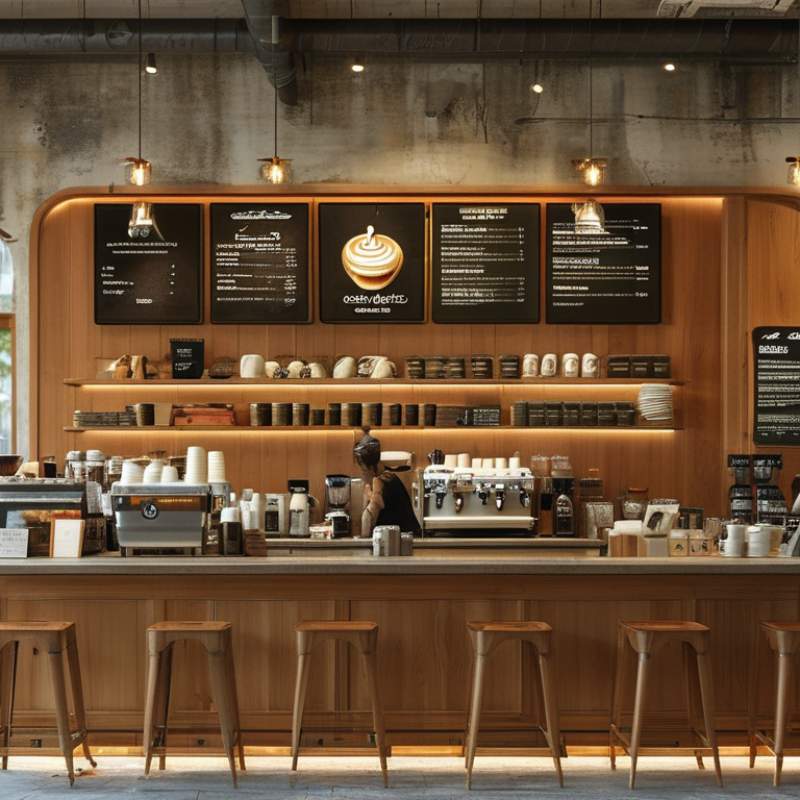
Emerging Coffee Kiosk Concepts Shaping the Future of Caffeine Culture
As we look toward 2026, coffee kiosks are evolving in innovative ways. Emerging concepts are reshaping how we interact with our daily caffeine. Compact designs focus on efficiency and user experience, allowing customers to grab their coffee on the go. High-tech solutions are being integrated, enhancing speed and simplicity. Mobile ordering apps and automated systems may dominate these kiosks, streamlining operations. However, there are questions around the personal touch. Will the human element diminish in favor of technology?
Sustainability is another crucial factor. Many new kiosks are prioritizing eco-friendly materials and practices. This includes sourcing beans responsibly and minimizing waste. While these practices cater to environmentally conscious consumers, some owners may struggle with implementation. How can they balance cost with sustainability? Additionally, the trend toward diverse beverage options continues. Many kiosks are expanding their menus to include plant-based and alternative drinks. This shift reflects broader dietary preferences and is likely to grow.
Understanding these trends is vital for buyers. They must consider location, target demographics, and consumer preferences. As new concepts emerge, staying adaptable is essential. Kiosk owners must be aware of both the opportunities and challenges that come with these changes. Embracing innovation will be critical to thriving in this competitive landscape. But the right balance must be found between modernity and the essential human connection.
Technological Innovations Revolutionizing Coffee Ordering and Preparation
In 2026, coffee kiosks are embracing technological innovations that change how we order and enjoy coffee. Mobile apps are becoming essential. Customers can now browse menus and customize orders with ease. This trend streamlines the ordering process. However, not all kiosks are adapting at the same pace, leading to frustration among customers who expect quick service.
AI and machine learning play pivotal roles in coffee preparation. Some kiosks utilize robots to grind beans and brew coffee. This method ensures consistent quality but raises questions about personal touch. Barista skills cannot be fully replicated by machines. Additionally, the interaction with human baristas often enhances the coffee experience, making it more enjoyable.
Other advancements include contactless payments. Such convenience is vital in today's fast-paced world. Yet, the reliance on technology could alienate some customers. There are worries about data security and privacy with app-based orders. Balancing efficiency with customer connection remains a challenge for many coffee kiosk owners. The future of coffee ordering is exciting, yet not without its complexities.
Sustainability Practices in Coffee Kiosks: What to Expect in 2026
The coffee kiosk industry is evolving rapidly, especially in the domain of sustainability. By 2026, the focus on eco-friendly practices will play a crucial role. Recent studies suggest that over 70% of consumers prefer sustainable options in their coffee choices. This shift will push kiosks to adopt greener practices. Expect to see a rise in the use of biodegradable cups and ethically sourced beans.
Water conservation will also become a priority. Kiosks are likely to implement systems for reducing water waste significantly. Innovations in technology will aid in recycling efforts too. However, the transition may not be flawless. Many kiosks face challenges in sourcing sustainable materials consistently. This inconsistency could hinder the overall impact of their sustainability initiatives.
Engagement with local communities may shape the future of coffee kiosks. Collaborations with local farms could improve transparency about sourcing and sustainability. In 2026, consider that while many kiosks will strive for sustainability, their success will depend on creating reliable partnerships. The overall journey may lead to significant advancements in reducing their environmental footprint, but challenges will remain.
Top Coffee Kiosk Trends in 2026: What Buyers Need to Know?
| Trend |
Description |
Sustainability Practice |
Expected Impact |
| Eco-friendly Materials |
Use of biodegradable and recycled materials for cups and packaging. |
Transition to fully compostable options. |
Reduction in plastic waste; enhanced customer loyalty. |
| Energy-efficient Equipment |
Investing in equipment that uses less energy during operations. |
Installation of solar panel systems. |
Lower utility bills; decreased carbon footprint. |
| Local Sourcing |
Prioritizing local coffee beans and ingredients to reduce transportation emissions. |
Partnerships with local farmers and suppliers. |
Support of local economies and fresher products. |
| Waste Reduction Programs |
Implementing systems to recycle or compost waste generated. |
Establishing a comprehensive waste management plan. |
Decreased landfill waste and improved environmental footprint. |
| Innovative Menu Options |
Offering plant-based and organic beverages and foods. |
Focus on organic and non-GMO ingredients. |
Attraction of health-conscious customers and trendsetters. |
Customer Experience Trends: Enhancing Engagement at Coffee Kiosks
In 2026, enhancing customer engagement at coffee kiosks becomes increasingly vital. Latest industry reports reveal that 70% of customers prioritize experiences over goods when choosing where to buy coffee. Kiosks that provide interactive elements can significantly boost customer satisfaction. For example, touchless payment and ordering systems make transactions quick and hassle-free.
Creating a welcoming atmosphere is key. Consider adding comfortable seating or unique decor to attract customers. A recent survey showed that 60% of buyers prefer kiosks with an inviting design. Engaging with customers through social media also fosters a sense of community. Customers appreciate brands that respond to their feedback and suggestions.
Implementing loyalty programs can drive repeat business. Studies find that personalized offers increase customer retention by 30%. Customers enjoy feeling valued, and tailored rewards can elevate their experience. Experimenting with seasonal promotions may also keep the menu fresh and exciting, inviting curious customers to return.
Market Analysis: Demographics and Preferences Driving Coffee Kiosk Growth
The coffee kiosk market is evolving rapidly. A key driver of this growth is the diversity in consumer demographics. Younger generations, particularly Millennials and Gen Z, are showing a strong preference for convenient coffee options. They often seek out kiosks for quick service and unique flavor offerings. This has led to a rise in mobile ordering and customizable drink options.
In urban areas, the demand for coffee kiosks is soaring. Busy professionals appreciate the convenience of grabbing their caffeine fix on the go. Many kiosks now focus on sustainable practices, sourcing ethical beans to attract environmentally-conscious customers. However, challenges remain. Operators need to balance quality and speed. Some kiosks struggle to maintain high standards while delivering fast service.
Understanding local preferences is crucial for success. Regions differ significantly in taste and consumption habits. What works in one city may not resonate in another. Market research is essential. Gathering feedback on flavors and service can guide kiosk owners in refining their offerings. Adapting to customer desires will be key in navigating this competitive landscape.