Top 10 Cold Room Maintenance Tips for Global Buyers?
Cold Room Maintenance is a critical aspect of numerous industries, including food storage, pharmaceuticals, and biotechnology. According to a report from the International Institute of Refrigeration, improper temperature control can lead to hazardous conditions, risking product integrity and safety. A single failure in cold room maintenance can result in significant financial losses, estimated at 20% of inventory value.
Maintaining optimal conditions in cold rooms is more than a routine task; it ensures the preservation of perishable goods. Research indicates that regular maintenance can reduce energy costs by up to 30%. However, many facilities overlook this essential process due to budget constraints or lack of training. This negligence can lead to equipment failures and a decline in product quality, forcing buyers to reconsider their operations.
Global buyers must prioritize Cold Room Maintenance to safeguard their investments and meet quality standards. Emphasizing preventative measures can enhance system efficiency. Critical evaluations of current practices may reveal overlooked areas, necessitating strategic adjustments. Ultimately, diligence in cold room upkeep reflects a commitment to quality and reliability, paramount in today's competitive market.
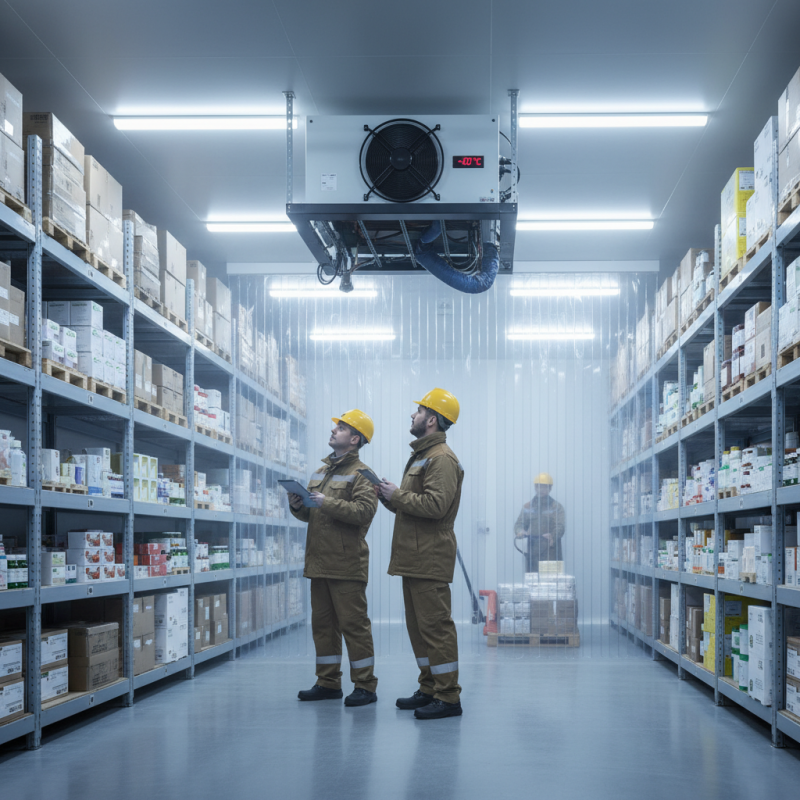
Top 10 Essential Cold Room Maintenance Practices for Global Buyers
Proper cold room maintenance is crucial for global buyers who rely on impeccable storage solutions. Regular inspections should be conducted to ensure all systems function correctly. Look for any signs of wear or malfunction. This proactive approach can save costs in the long run. Moreover, maintaining proper temperature settings is essential. Deviations can lead to spoilage or increased energy costs.
Another key aspect is cleanliness. A clean environment helps prevent contamination. Regularly cleaning surfaces and appliances should be part of your routine. Educate staff on proper hygiene practices as well. Insufficient training can lead to lapses in protocol that might compromise the stored items.
Monitoring humidity levels is just as important. High humidity can cause mold growth. Using dehumidifiers or ventilation adjustments can mitigate this risk. Regularly updating your maintenance log can also enhance reliability. Documentation should detail any issues and repairs. This ongoing record can identify patterns over time. Staying organized and attentive in these areas can improve both efficiency and product integrity.
Top 10 Cold Room Maintenance Tips for Global Buyers
| Tip No. | Maintenance Tip | Frequency | Description |
| 1 | Check Door Seals | Monthly | Ensure that door seals are intact to maintain temperature stability. |
| 2 | Clean Condenser Coils | Quarterly | Remove dust and debris to enhance cooling efficiency. |
| 3 | Inspect Thermostat Settings | Monthly | Ensure proper temperature settings are maintained for optimal performance. |
| 4 | Monitor Temperature Logs | Daily | Review temperature logs to identify fluctuations and potential issues. |
| 5 | Calibrate Sensors | Annually | Ensure sensors are accurately measuring temperatures to avoid spoilage. |
| 6 | Defrost Evaporators | As Needed | Regularly check for ice buildup that can block air flow. |
| 7 | Inspect Refrigeration System | Biannually | Check for leaks and ensure refrigerant levels are adequate. |
| 8 | Train Staff on Best Practices | Annually | Ensure staff understands proper usage and safety protocols. |
| 9 | Check Lighting and Electrical | Quarterly | Ensure all lights and electrical systems are functioning correctly. |
| 10 | Schedule Professional Inspections | Annually | Hire professionals to inspect and maintain the cold room for optimal performance. |
Understanding Temperature Regulation: The Key to Cold Room Efficiency
Temperature regulation is crucial for the efficiency of cold rooms. Poor temperature control can lead to product spoilage. According to a recent report by the International Institute of Refrigeration, improper temperature management can cause losses exceeding $35 billion annually in food waste alone. Maintaining an optimal range between 32°F and 50°F is essential for many perishables. Deviating from this range can significantly affect shelf life and product quality.
Monitoring systems are vital in ensuring consistent temperature levels. Advanced sensors can detect fluctuations in real-time, offering insights into operational efficiency. However, many businesses neglect regular maintenance, which can hinder performance. A study by the Refrigeration Research Institute revealed that 25% of cold storage facilities operate with outdated equipment. Regular audits and updates can mitigate these risks, ensuring compliance with industry standards.
Moreover, environmental factors, like door seals, must not be overlooked. Damaged seals allow warm air to enter, disrupting the internal climate. Many facilities fail to recognize this issue until significant losses occur. Regular inspections can prevent these problems, ensuring optimal operation and energy consumption. Keeping cold room efficiency high requires constant vigilance and proactive measures.
Top 10 Cold Room Maintenance Tips for Global Buyers
Regular Inspections: Frequency and Checklists for Optimal Performance
Regular inspections are vital for maintaining cold rooms effectively. A structured frequency is essential. Monthly checks can prevent minor issues from becoming major problems. During these inspections, focus on temperature consistency, door seals, and coolant levels. Ensure that shelving is organized and that air circulation is unobstructed. These details can significantly affect performance.
Utilizing checklists can enhance inspection efficiency. Create tailored checklists based on specific cold room needs. Include items like frost buildup and lighting functionality. Sometimes, inspectors may overlook small issues, which can escalate. Encourage team members to engage in these inspections actively. Document findings, track repetitive problems, and address them promptly. Engaging frontline staff can provide insights into operational challenges.
A regular inspection routine requires commitment and resources. Allocating time for these inspections may seem burdensome, but the benefits outweigh the costs. It’s easy to feel complacent once everything appears to be functioning well. However, complacency is a common pitfall. Fostering a culture of vigilance can mitigate risks and improve overall cold room performance. Regular assessments ensure your cold storage remains efficient and reliable.
Best Practices for Cleaning and Sanitizing Cold Storage Facilities
Maintaining cold storage facilities requires diligent cleaning and sanitizing practices. These steps ensure food safety and preserve product quality. Regular inspection of storage areas is vital. Check for any signs of dirt or contamination.
For effective cleaning, use a two-step process. First, remove all items from the cold room. This allows for thorough access to all surfaces. Then, clean surfaces with appropriate detergents. Ensure you pay attention to corners and hard-to-reach areas.
Sanitizing is equally crucial. Use suitable sanitizing agents on all cleaned surfaces. Allow these agents to sit for the recommended time. This maximizes their effectiveness. Regular training of staff is essential for maintaining high hygiene standards. Everyone must understand proper cleaning techniques. Avoiding rushed jobs leads to better outcomes. Small oversights can lead to larger issues.
Energy Efficiency Strategies: Reducing Costs While Maintaining Quality
Maintaining energy efficiency in cold rooms is crucial for global buyers aiming to reduce operational costs. According to a report by the International Institute of Refrigeration, refrigeration accounts for about 15% of global electricity consumption. This indicates that enhancing energy efficiency can lead to significant cost savings over time. Implementing insulation improvements can mitigate thermal losses effectively. Properly sealed doors and reinforced insulation reduce the energy required for cooling.
Additionally, regular maintenance of refrigeration equipment is essential. A study found that poorly maintained systems can operate at 20% less efficiency. Checking refrigerant levels and cleaning coils can optimize performance. Energy-efficient lighting, such as LED installations, reduces the energy load. Such upgrades not only lower electricity costs but also extend the lifespan of the equipment. However, global buyers often struggle with upfront costs for these upgrades.
Investing in a monitoring system also enhances energy management. Real-time data can identify inefficiencies. Yet, many facilities overlook the need for such technology, missing out on potential savings. In addition, training staff to maintain optimal operating conditions can make a marked difference. Such practices create a culture of accountability, ensuring standards are met consistently.