10 Essential Tips for Choosing Electric Freight Tricycles?
Choosing the right Electric Freight Tricycle can greatly impact your business operations. These vehicles are crucial for efficient, eco-friendly transportation of goods. With a growing focus on sustainability, businesses are increasingly turning to electric options. However, the choices can be overwhelming.
When selecting an electric freight tricycle, several factors come into play. Features like load capacity, battery range, and build quality should not be overlooked. Additionally, considering maintenance, support, and warranty options is essential. These aspects can make the difference between smooth operations and unexpected challenges.
It's important to reflect on your specific needs. Not every model will suit all businesses. The best choice depends on various conditions, including delivery routes and cargo types. Thorough research will ensure that the electric freight tricycle you choose meets your operational goals and enhances efficiency.
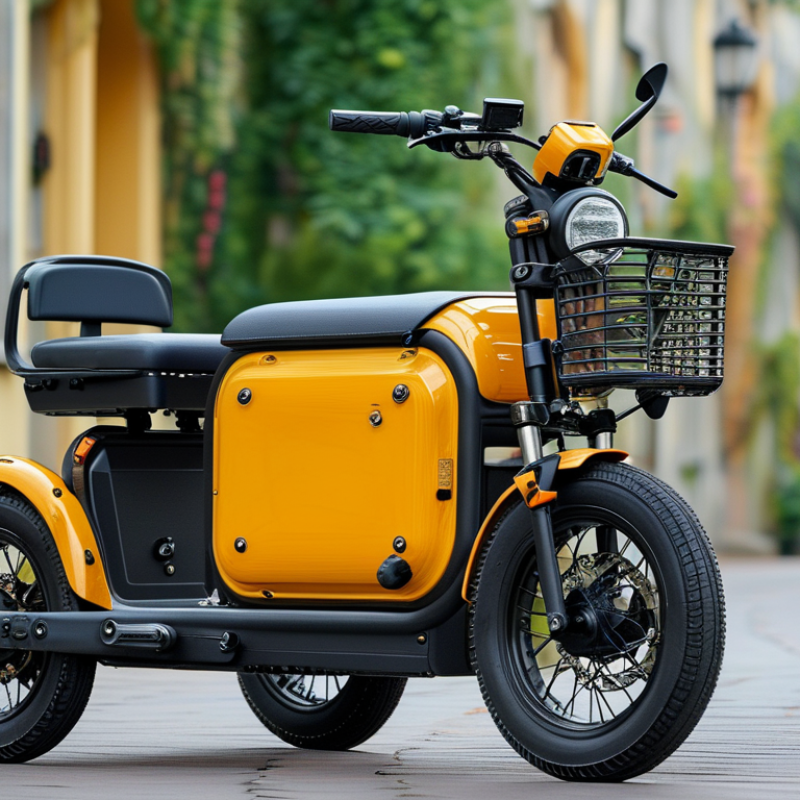
Understanding the Benefits of Electric Freight Tricycles for Businesses
Electric freight tricycles offer notable advantages for businesses aiming to enhance logistics. Their compact design allows for navigation in congested urban areas. This makes them ideal for last-mile deliveries, which often face challenges like traffic and limited parking. Businesses can significantly reduce delivery times by utilizing these vehicles.
Moreover, electric tricycles contribute to sustainability. They produce zero emissions, helping companies lower their carbon footprint. This aspect resonates well with environmentally-conscious consumers. However, the initial investment can be a hurdle for many businesses. Evaluating the long-term savings in fuel and maintenance is crucial.
Another consideration is the battery life. While some tricycles offer impressive ranges, others may fall short during heavy use. Frequent charging can disrupt operations. Hence, it’s essential to assess the specific needs of your business. This ensures you select a model that aligns with daily demands. Planning for future scalability is also important, as growing logistics needs may require additional vehicles soon.
Key Features to Look for in Electric Freight Tricycles
When choosing electric freight tricycles, focus on key features that enhance performance and usability. According to industry reports, battery capacity is crucial. A higher capacity can enable longer routes without frequent recharges. Many models on the market offer 48V systems, which generally provide a good balance of power and efficiency. However, some options might push for lower quality components to save costs, potentially compromising durability.
Payload capacity is another essential factor. Most electric tricycles can carry between 300 to 500 kg, making them suitable for various transport needs. Examining the frame material is vital. Steel frames are robust but can be heavier, while aluminum offers lighter alternatives but may sacrifice strength. This aspect significantly influences the tricycle's performance, especially in urban environments with frequent stops.
Braking systems significantly affect safety. Hydraulic brakes provide better stopping power and responsiveness, essential for navigating busy streets. Some models may feature less reliable mechanical systems, posing potential risks. Additionally, assess the warranty and after-sales support. Manufacturers with longer warranty periods often demonstrate confidence in their products. Balancing these factors can lead to smarter purchasing decisions in a rapidly evolving market.
Evaluating Battery Life and Charging Options
When choosing electric freight tricycles, battery life and charging options play a vital role. Many models offer varied battery capacities, usually measured in ampere-hours (Ah). A standard range is between 20 Ah and 40 Ah, significantly impacting distance and efficiency. Data from industry reports show that a tricycle with a 30 Ah battery can travel up to 60 miles on a single charge under optimal conditions. However, real-world factors often reduce this distance.
Charging time can vary widely. On a standard outlet, charging a battery may take 6 to 8 hours. Fast chargers can cut this time down to 2 to 4 hours. However, fast charging can lead to long-term battery degradation. The battery's lifespan is also a concern; many batteries last around 500 cycles before significant capacity reduction. Monitoring actual performance data helps in assessing whether a specific model meets your operational needs.
Not all electric tricycles have the same charging infrastructure. Some come with onboard chargers, while others require external ones. This variation can affect convenience and operational efficiency. It’s wise to consider the existing power supply and whether it supports the required charging specifications. Understanding these nuances ensures that the chosen electric freight tricycle aligns with your logistics needs effectively.
Assessing the Weight Capacity and Storage Solutions
When assessing electric freight tricycles, understanding weight capacity is crucial. Industry data indicates that most electric tricycles have a load capacity ranging from 300 to 800 pounds. A vehicle with insufficient capacity may result in overloading, leading to accidents or vehicle damage. Buyers should carefully weigh their transportation needs against the specifications of potential models.
Storage solutions significantly impact the efficiency of electric freight tricycles. Adequate storage space helps optimize the load and reduce trips. Research shows that tricycles with enclosed storage can increase protection for goods. A study by the Electric Vehicle Association indicates that users prefer designs with modular storage systems. While space is essential, versatility is also key. Some tricycles offer adjustable shelving, accommodating various cargo types.
However, potential buyers should reflect on their unique requirements. Not all tricycles will suit every business model. Choosing the wrong model can hinder productivity. Balancing capacity and storage must align with daily operations. A thorough evaluation of each feature can lead to more informed decisions, enhancing overall performance in the logistics sector.
Comparing Costs and Return on Investment for Electric Tricycles
When considering electric freight tricycles, analyzing costs and return on investment (ROI) is crucial. According to a recent industry report, the average cost of electric tricycles can range from $3,000 to $5,000. The upfront investment might seem significant, but the long-term savings often outweigh these initial costs. For instance, electric tricycles can reduce fuel costs by over 70%. This substantial reduction can lead to a faster ROI, typically within two to three years depending on usage patterns.
Maintenance is another area where electric tricycles shine. A report by Statista indicates that electric vehicles generally incur 50% less maintenance cost compared to their gas counterparts. This maintenance advantage can further enhance overall financial viability. However, potential buyers must acknowledge that reliability issues can arise. It’s important to vet suppliers and assess the vehicle’s warranty options thoroughly. Keep in mind that the true value of electric tricycles often lies in their ability to lower operational costs continuously, making them an attractive option for businesses aiming to improve fleet efficiency.