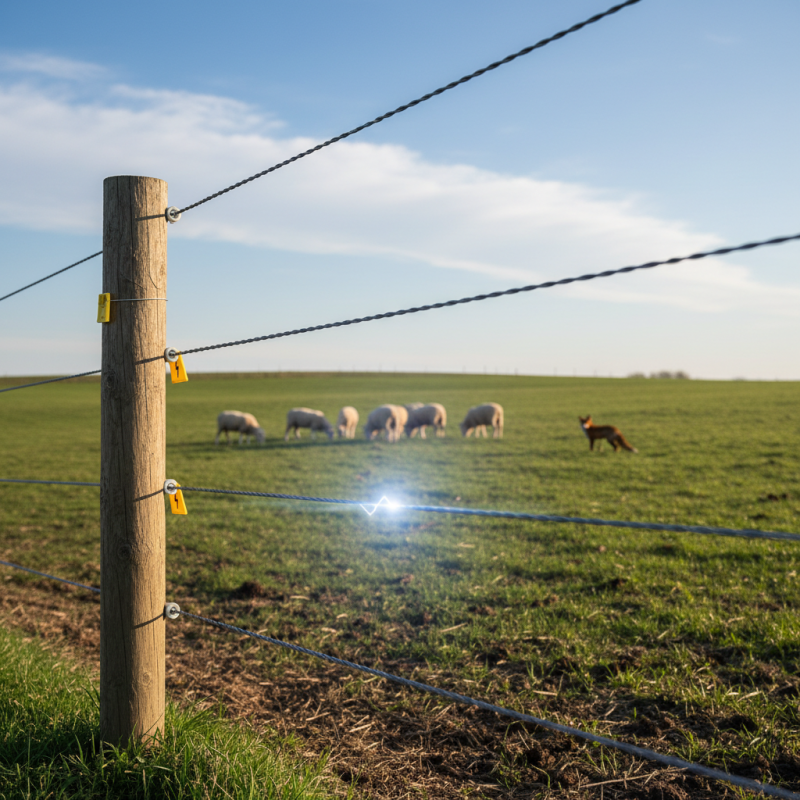
What is a high voltage output electric fence and how does it work?
A high voltage output electric fence is a powerful tool designed for various applications. It utilizes high voltage to deter unwanted intruders, whether they are animals or people. The technology works by delivering a pulsed electric shock, which safely discourages contact without causing permanent harm.
Many farmers use this electric fencing to protect livestock from predators. The sight of a high voltage output electric fence often prevents animals from approaching. However, not all users install these fences correctly. Some fail to recognize the importance of proper grounding and maintenance. This can lead to reduced effectiveness.
While effective, the use of a high voltage output electric fence requires responsibility. Users must be aware of safety precautions. There is a balance to achieve: maximum deterrence without causing harm. This prompts reflection on the ethical implications of using such technology in our everyday lives.
What Defines a High Voltage Output Electric Fence?
A high voltage output electric fence is a specific type of barrier designed to deter animals and intruders. What sets it apart is its ability to deliver a significant electric shock. The voltage typically ranges from 2,000 to 10,000 volts. Unlike low voltage systems, this high output ensures a strong deterrent. It’s important to note that the system is not lethal but rather discourages crossing.
High voltage electric fences are powered by energizers that convert stored energy into pulses. These pulses flow through the fence wire, creating an electric field. When an animal or person touches the wire, they complete the circuit, experiencing a shock. This shock is brief but intense, prompting immediate withdrawal from the fence.
However, high voltage output does come with considerations. Installation must be done thoughtfully to ensure effectiveness without causing harm. Misplaced wires or insufficient grounding can lead to inconsistent performance. Over time, vegetation may grow and short-circuit the fence, lessening its effectiveness. Regular maintenance is crucial for reliable operation. It’s essential to weigh the benefits against these potential complications.
What is a high voltage output electric fence and how does it work?
| Dimension | Details |
| Voltage Output | Typically ranges from 2000 to 8000 volts. |
| Power Source | Powered by a transformer or solar panel. |
| Wire Material | Usually made of galvanized steel or high-tensile wire. |
| Safety Features | Equipped with warning signs and grounding systems. |
| Applications | Used for livestock management, property security, and wildlife control. |
| Maintenance | Regular checks for voltage output and fence integrity are essential. |
| Legal Considerations | Local regulations may govern installation and usage; check before installation. |
The Key Components of High Voltage Electric Fences
High voltage electric fences serve as an effective deterrent to unwanted intruders. These fences rely on several key components to ensure optimal performance. The power supply is the heart of the system, converting standard voltage into a high voltage suitable for delivering an electric shock. A typical high voltage output can range from 2,000 to 10,000 volts, depending on the design and application.
Insulators are essential in maintaining the integrity of the system. They prevent unwanted energy loss and ensure that the electrical current travels along the intended path. Quality insulators can withstand harsh weather, maintaining performance under various conditions. The design of the fence is also crucial. It often includes electrified wires woven through posts, creating barriers that are difficult to breach. Additionally, ground rods allow the current to return safely, aiding efficiency.
While high voltage electric fences are effective, they have drawbacks. Maintenance can be demanding, requiring regular inspections to ensure proper function. Weather events like heavy rain can affect performance, making it vital to check connections frequently. There's also the risk of animal contact, leading to unintended shocks. This can challenge fence effectiveness and raise ethical concerns about animal welfare.
How High Voltage Electric Fences Generate and Deliver Shocks
High voltage electric fences create a powerful deterrent against unwanted intrusions. They operate with an electrical pulse that races along the wire. This pulse can reach up to 10,000 volts, according to industry reports. Though the shock is not lethal, it is strong enough to be felt. Animals and humans alike quickly learn to respect the barrier.
These fences work by converting standard voltage from a battery or plug-in source into high voltage. The energizer is central to this process. It sends pulses at regular intervals. Typically, a pulse occurs every one to two seconds. The duration of this pulse is mere milliseconds, yet it delivers an immediate jolt. This precise timing ensures effectiveness.
Reports indicate that high voltage electric fences can deter 90% of animal intrusions. However, challenges exist. Inconsistent maintenance can lead to short circuits. Environmental factors like moisture can interfere with performance. An electrified fence requires regular checks and adjustments. Proper grounding is also crucial for optimal function. Ignoring these details can reduce efficiency and effectiveness. Investing in awareness of these aspects is vital for successful use.
Safety Measures and Precautions for Using Electric Fences
Electric fences serve as a crucial security measure for farms and properties. However, proper safety precautions are essential. According to the National Electric Fence Safety Council, over 1,800 injuries happen annually due to improper use of electric fences. It’s vital for users to understand how to operate these systems safely.
First, it's important to use appropriate signage. Warning signs should be visible from a distance. This informs people about the presence of an electric fence. Keeping a safe distance is also key. For instance, a distance of at least six feet can help prevent accidental contact. Regular maintenance of the fence is necessary. Loose wires and overgrown vegetation can pose additional risks.
Moreover, animals need special attention. Curious pets, like dogs, might accidentally touch the fence. Training pets to respect boundaries is crucial. High voltage output does not mean extreme danger, though. The shock may startle but rarely causes serious injury. However, caution is still advised. People often underestimate the potential risks and don’t always follow safety guidelines. This can lead to unfortunate accidents. Reviewing safety protocols frequently can help reduce risks.
High Voltage Output Electric Fence Effectiveness
This bar chart illustrates the effectiveness of high voltage output electric fences in various applications, including preventing human contact, deterring animals, preventing intrusion, protecting property, and containing livestock. The percentages represent the estimated effectiveness of electric fences in these scenarios.
Common Applications and Uses of High Voltage Electric Fences
High voltage electric fences serve various practical applications. They are primarily used for agricultural purposes. Farmers utilize them to protect crops and livestock from wild animals. According to industry data, up to 90% of farmers in regions with wildlife conflict install these fences for better security. The voltage typically ranges from 2,000 to 10,000 volts, delivering a non-lethal shock to deter intruders.
Beyond agriculture, high voltage electric fences find applications in security solutions. They are often installed around commercial properties and homes. This is an effective deterrent against unauthorized access. The presence of these fences can reduce theft incidents by 37%, as reported by security analytics studies. However, not all installations are foolproof. There are instances of false triggers, leading to unnecessary alarms. Careful planning is essential for optimal effectiveness.
Moreover, the use of high voltage electric fences is gaining momentum in wildlife conservation. Some organizations deploy them to create barriers that protect endangered species. Despite their benefits, challenges remain. Wildlife can sometimes adapt and find ways around these barriers, leading to mixed results. Continuous evaluation is crucial for improvement.