


7 Makeup Remover Wipes Buying Tips for Global Buyers

Choosing Makeup Remover Wipes for international markets takes more than comparing prices or choosing attractive packaging. Buyers need to assess how each product performs, travels, and fits the expectations of its intended customers. Small details matter. A wipe that feels soft on a sample may dry out after weeks in a warm warehouse, while a strong fragrance may not suit every market.

This guide outlines seven practical buying considerations, from fabric and lotion quality to pack size, shelf life, and supplier communication. Check the wipe’s thickness, texture, and moisture level, then request samples for realistic handling tests. Examine packaging seals and opening tabs, too. These details affect everyday use and can influence product complaints. Ask suppliers for clear specifications and relevant quality documents, and confirm that claims are supported by evidence. Requirements and customer preferences can vary by destination, so buyers should verify applicable expectations with qualified local resources.

A low unit price can hide costs in shipping, damaged packs, or inconsistent batches. Samples can mislead. One review may not reveal how the product performs after repeated use or storage. Compare written specifications with the physical product, and keep questions specific. The process is not perfectly tidy; supplier responses and sample results may differ. Careful checks will not remove every uncertainty, but they can help global buyers make more informed purchasing decisions.
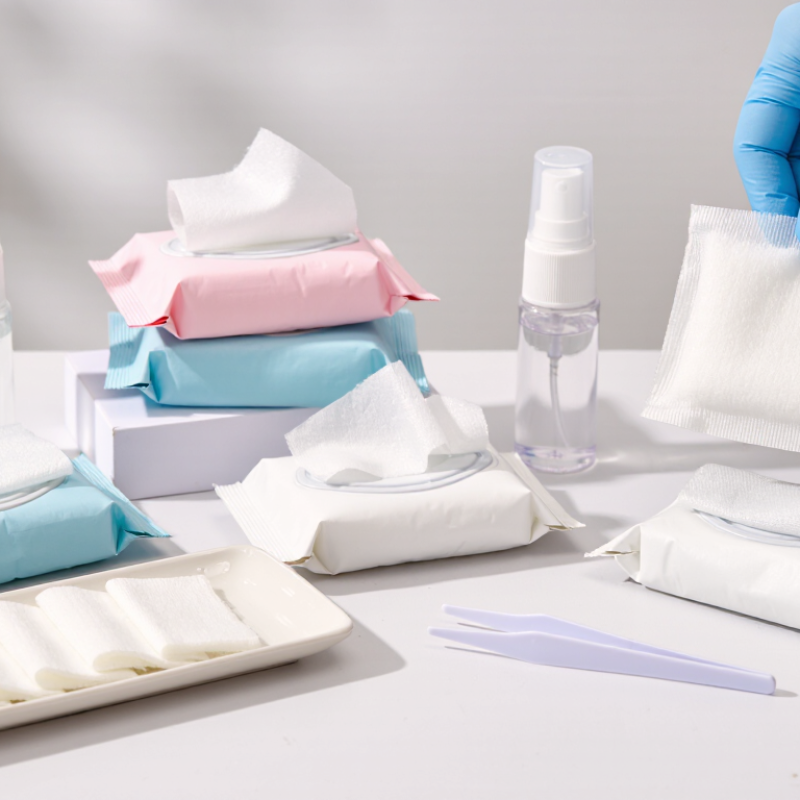
7 Makeup Remover Wipes Buying Tips for Global Buyers

Identify Target Markets and Buyer Requirements

Start with buyer requirements, not a global average. Compare climate, retail channels, skin-care habits, and target price bands. A humid city may favor compact, resealable packs; buyers elsewhere may prioritize fragrance-free formulas or softer materials. Treat these as hypotheses. Check them through distributor interviews, shopper feedback, and small retail trials.

Nielsen’s 2018 Global Sustainability Report found that 81% of surveyed consumers worldwide felt companies should help improve the environment. This is a broad signal, not proof that customers will pay more for wipes marketed as sustainable. Ask buyers to rank priorities: cleansing performance, skin feel, pack size, unit cost, and disposal information. That ranking may surprise you.

Market structure matters, too. UN-Habitat’s World Cities Report 2022 states that 56% of the global population lived in urban areas in 2021, with the share projected to reach 68% by 2050. Use this as context, not a sales forecast. City buyers may value portable packs and convenient retail access, but local habits differ. One easy mistake is assuming convenience means the same thing everywhere. Validate packaging, language, and product claims with each importer before setting specifications.

Choose Wipe Materials and Skin-Friendly Formulas

A wipe’s fabric affects how it feels, holds liquid, and removes makeup. Compare the substrate composition, weight, and texture, rather than relying on a “soft” description. Smooth, low-lint sheets may suit delicate eye areas, while a slightly textured surface can help lift long-wear products. Test both on damp skin and around the eyes; dry samples can feel very different.

Small details matter. Ask suppliers for material specifications and samples from the intended production run. Check whether the sheet stays intact when saturated and dispenses cleanly from its pack. Plant-based fibers do not automatically mean a wipe will break down in every disposal setting, so review the supporting evidence before making environmental claims. This part is often less clear than buyers expect.

Formula choices deserve the same scrutiny. Fragrance-free options may be worth comparing for users who prefer fewer added scents, but no formula suits everyone. Review the ingredient list, intended-use guidance, and available safety documentation, then assess comfort through appropriate user testing. Watch for stinging, tightness, or residue after wiping. A gentle feel is useful, but it is not proof of compatibility. Ask how the formula performs on waterproof makeup, and whether the wipe requires rinsing. One imperfect point: claims like “suitable for all skin types” can sound reassuring while offering little detail.

Compare Cleansing Performance and Product Claims

For global buyers, compare cleansing performance under consistent conditions, not just through supplier descriptions. Test the same amount of foundation, sunscreen, and long-wear makeup on separate skin-safe surfaces. Use one wipe per test and note how many gentle passes remove visible residue. Check whether the cloth stays moist, tears, or leaves a slippery film. Small details matter. A quick bench test cannot predict every user’s experience, but it can reveal differences worth investigating.

Tips: Record wipe size, liquid distribution, scent, and residue after use. Ask suppliers for test methods behind claims such as “removes waterproof makeup.” Compare results across several samples, not one unusually good sheet. Avoid assuming that a stronger scent means better cleansing.

Read product claims carefully and request supporting documentation, including ingredient information and performance-test conditions. “Suitable for sensitive skin” can mean different things unless the test population and method are clear. Check that packaging instructions match the intended use, and review how wipes should be stored to prevent drying. I would also retest after transport simulation; heat and rough handling can change the feel of a pack. That extra check takes time, but skipping it may leave an important gap.

7 Makeup Remover Wipes Buying Tips for Global Buyers — Compare Cleansing Performance and Product Claims

No. Buying Tip What to Compare Evidence to Request Practical Buyer Check
1 Compare cleansing performance Removal of everyday makeup versus long-wear or water-resistant makeup; cleansing consistency; visible residue; and the number of wipes used in the test. A documented test protocol stating the makeup types, application method, wiping procedure, evaluation criteria, and test conditions. Compare products tested under the same conditions. Avoid treating an unspecified “removes makeup” claim as proof of performance on every formula.
2 Review the ingredient information Full ingredient list, cleansing agents, preservatives, fragrance, and any ingredients relevant to the intended market or consumer group. Current ingredient documentation using the naming format accepted in the target market, plus supporting product and safety documentation where required. Check ingredient-list requirements country by country. A formula suitable for one market is not automatically compliant in another.
3 Check claims for substantiation Claims such as “gentle,” “for sensitive skin,” “dermatologically tested,” or “ophthalmologically tested.” Relevant test reports that describe the method, sample group, conditions, and the exact claim supported. Testing language alone does not guarantee that a product will suit every user. Confirm that the evidence supports the wording used on the package and in advertising.
4 Assess wipe material and durability Substrate composition, texture, thickness, absorbency, linting, and resistance to tearing during use. Material specifications and test results for properties relevant to the product’s intended use. Check whether material or sustainability claims are specific and substantiated. Do not assume that a wipe is biodegradable or compostable based on appearance alone.
5 Evaluate fragrance and eye-area suitability Whether the product is fragranced, how eye-area use is described, and what precautions or directions appear on the label. Formula details, appropriate safety assessment, and test evidence for any specific eye-area or fragrance-related claim. Match the product’s intended use and directions to the needs of the target market. Avoid assuming that “fragrance-free” or “tested” means irritation is impossible.
6 Inspect packaging and shelf-life details Reseal performance, moisture retention after opening, pack count, storage instructions, and product dating or durability information. Packaging specifications and stability or compatibility information relevant to the finished product and pack format. Check that the closure is practical for repeated use and that required labeling details are clear for the destination market.
7 Verify market-specific compliance Applicable cosmetic rules, labeling language, ingredient restrictions, warnings, and environmental or disposal claims in each destination. Market-specific regulatory review and claim support for the finished product, packaging, and sales materials. Requirements vary by jurisdiction. Treat “flushable” and similar disposal claims with particular care, and provide disposal instructions appropriate to local rules and wastewater systems.

Buyer note: Product performance and regulatory requirements depend on the formula, test method, packaging, and destination market. Request current documentation for the exact finished product before approving a claim or purchase.

Check Safety Standards, Labeling, and Import Rules

For makeup remover wipes, safety checks should start before a purchase order is signed. Ask the supplier for a complete ingredient list, safety data where applicable, and recent microbiological or stability test results. Confirm that the product is suitable for its intended use, especially around the eyes. A clean scent proves little. Check packaging seals and batch codes on sample packs, too.

Label rules differ by destination. Review the required ingredient naming system, local language, net quantity, responsible business details, warnings, and shelf-life or period-after-opening information. Claims such as “hypoallergenic” or “biodegradable” may need evidence and can be treated differently across markets. Small print matters. Have a local compliance specialist review the final artwork before mass production; a translated label can still miss a required phrase.

Import requirements also vary. Ask the importer or customs broker which product documents, declarations, and tariff classifications apply in the target country. Keep invoices, product specifications, test reports, and batch records consistent. Mismatched product names across documents can cause avoidable delays. Requirements change, and a checklist from last year may be stale. I would not assume one market’s approval automatically covers another. That assumption is easy to make, and worth checking twice.

Assess Packaging, Supplier Reliability, and Total Cost

For makeup remover wipes, inspect the pack as carefully as the wipe. Check seal integrity, material layers, wipe count, and whether the dispensing lid stays shut after repeated use. Ask suppliers for packaging specifications and sample packs; a tiny seal failure can dry out wipes before they reach store shelves. OECD’s Global Plastics Outlook (2022) reports that only 9% of plastic waste was recycled globally in 2019. This makes clear material details worth requesting, though recyclable claims depend on local collection systems. Not always simple.

Supplier reliability needs evidence, not polished sales sheets. Request recent quality-control records, batch traceability, production capacity, lead times, and a written process for handling defects. Compare quoted delivery windows with actual shipment records where possible. The World Bank’s Logistics Performance Index assesses customs, infrastructure, shipment arrangements, logistics quality, tracking, and timeliness; these dimensions can help frame supplier questions. A low unit price means little if a delayed shipment leaves shelves empty.

Calculate total landed cost per usable wipe, not just the factory price. Include tooling, printed packaging, freight, insurance, duties, inspection, storage, and expected waste from damaged or dried-out packs. Ask for quotes at several order volumes, then check how payment terms and minimum order quantities affect cash flow. I would keep one cost line provisional: freight and currency changes can make a neat spreadsheet stale quickly. Be cautious of unusually low quotes that omit fees or use vague packaging descriptions.

Article Source:

REQUEST FOR PORPOSAL

Bring the essence of Current to your space! Whether you envision a cozy coffee kiosk, a stylish window café, a dynamic coffee bar, or a multi-station coffee drive-through, the possibilities are endless.  Please fill out the form below to submit your proposal request. Our team will review your information and get back to you shortly.