How to Achieve Perfect 3D Wheel Alignment for Your Car?
Achieving perfect 3d Wheel Alignment is essential for every car owner. It ensures optimal performance, enhances tire life, and improves fuel efficiency. If your car drifts or your tires wear unevenly, it may be time to consider the alignment. A precise 3D wheel alignment can resolve these issues, but it's not always simple.
Many drivers overlook the signs of misalignment. Ignoring them can lead to costly repairs. A proper alignment process involves more than just adjusting angles. It requires specialized equipment to measure and correct the alignment of all four wheels. While professionals can provide this service, understanding the basics can help you identify when your car needs attention.
Maintaining correct wheel alignment isn't just about avoiding problems. It's about enjoying a smoother ride. However, not all alignment services deliver the same results. Some may leave room for improvement. Evaluating your vehicle's performance after alignment can reveal shortcomings. Always stay proactive in monitoring your car’s alignment for the best driving experience.
Understanding 3D Wheel Alignment and Its Importance for Vehicles
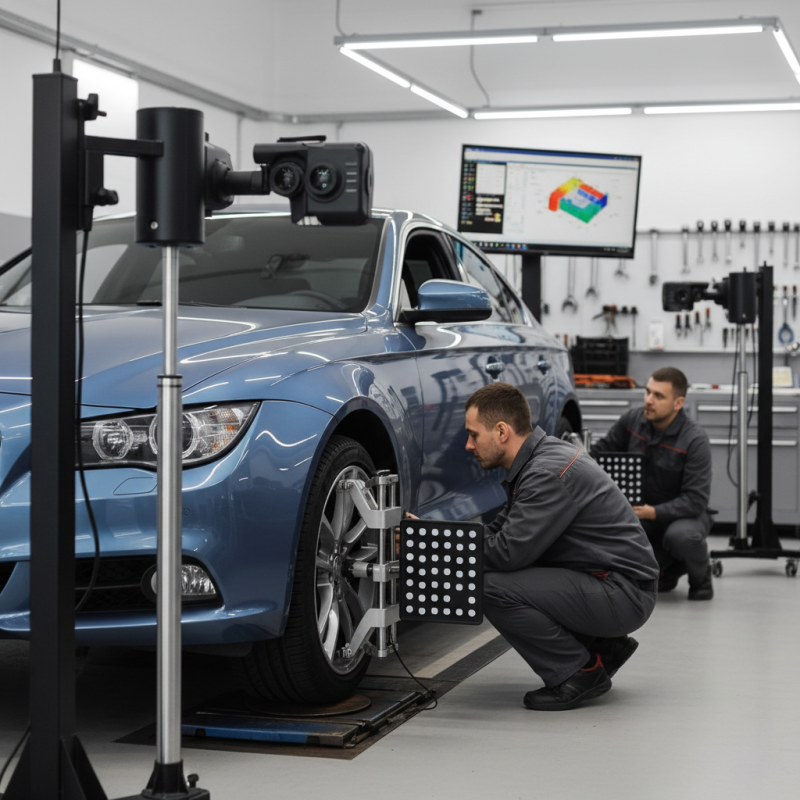
Three-dimensional (3D) wheel alignment is essential for vehicle performance. It ensures that the wheels are parallel and aligned with each other and the road. A study by the Vehicle Research Institute reveals that poor alignment can reduce fuel efficiency by up to 10%. Such inefficiency not only undermines driving comfort but can also escalate maintenance costs.
Misaligned wheels can cause uneven tire wear, impacting safety. Research indicates that 33% of drivers experience uneven tire wear due to improper alignment. This can lead to costly replacements and dangerous driving conditions. Regular checks can prevent these issues, enhancing vehicle longevity.
Tips: Schedule alignment checks regularly, especially after hitting a pothole. Look for signs like pulling or uneven tire wear. Maintaining proper alignment enhances safety and performance, making every drive smoother.
Essential Tools and Equipment for Achieving Perfect Wheel Alignment
Achieving perfect 3D wheel alignment requires essential tools and equipment. Proper alignment helps improve tire lifespan and vehicle handling. According to industry data, misalignment can reduce tire life by 20-30%. Proper tools can mitigate this issue.
A reliable wheel alignment machine is critical. It uses laser technology to measure angles precisely. These machines often feature adjustable parameters for varied vehicles. Consider learning about the software that accompanies these tools. Understanding how to operate them is just as vital as the hardware.
Invest in measuring tools, like a camber gauge and toe plates. These assist in manual checks. Regular checks can prevent gradual deviations in alignment. Sometimes, even slight misalignments can lead to uneven tire wear.
Tips: Always double-check the calibration of your tools. It’s common to overlook calibration errors. A small error can greatly impact alignment results. Keep records of your measurements. Track changes over time to identify patterns. This will help you spot recurring issues and improve your process.
How to Achieve Perfect 3D Wheel Alignment for Your Car? - Essential Tools and Equipment for Achieving Perfect Wheel Alignment
| Tool/Equipment | Purpose | Features | Approximate Price ($) |
| Alignment Machine | Measures wheel angles | 3D imaging, laser technology | $10,000 - $30,000 |
| Wheel Clamps | Secures wheels during alignment | Metal construction, adjustable size | $300 - $1,200 |
| Camber Gauge | Measures camber angle | Digital and analog options | $50 - $200 |
| Toe Plates | Aligns toe angles | Easy setup, portable | $100 - $400 |
| Alignment Toolkit | General accessories for alignment | Includes wrenches, bar, etc. | $150 - $750 |
Step-by-Step Guide to Performing 3D Wheel Alignment
Achieving perfect 3D wheel alignment can significantly enhance your car's performance. To start, gather all necessary tools. You will need a 3D alignment machine, a flat surface, and some basic tools like wrenches and screwdrivers. Check your tire pressure first. Ensure all tires are inflated to manufacturer specifications. This step is crucial, as misaligned tires can lead to uneven wear.
Begin by positioning the car on the alignment rack. The surface must be level for precise readings. Attach the 3D alignment sensors to each wheel. These sensors will read the current angle and position. It’s easy to make mistakes here. Double-check the sensor placements to avoid inaccuracies. Adjust camber and toe angles according to your vehicle's specifications.
Tips: Use a notepad to record measurements during the process. This way, you can track adjustments made along the way. After adjustments, perform a test drive. You might notice slight unaligned issues. Don’t ignore them; this is common. Make small adjustments afterward, if needed, to achieve that perfect alignment. Always remember that practice makes perfect.
Common Mistakes in Wheel Alignment and How to Avoid Them
Achieving perfect 3D wheel alignment is crucial for vehicle performance. However, many drivers commit common mistakes that hinder optimal results. One major error is neglecting regular alignment checks. According to industry reports, up to 50% of vehicles on the road have misalignment issues. This can lead to uneven tire wear, reducing their lifespan by up to 30%.
Another common mistake is failing to assess the suspension system before alignment. A worn-out suspension can cause inaccurate readings. In a survey, over 40% of mechanics emphasized the importance of ensuring that all suspension components are in good condition prior to alignment. Ignoring this step can result in misalignment down the road, often within just a few thousand miles.
Many drivers also overlook the need for a precise setup before the actual alignment. Without proper calibration of the alignment equipment, the results can be skewed. A report revealed that about 60% of alignment failures stemmed from improper equipment setup. Small details matter. Skipping preliminary steps can lead to ongoing problems that many drivers might not even realize until it’s too late.
Common Mistakes in Wheel Alignment and How to Avoid Them
This chart represents common mistakes people make during wheel alignment and their frequency. Understanding these mistakes can help car owners achieve better alignment results.
Maintaining Your Car's Wheel Alignment for Optimal Performance
Maintaining your car's wheel alignment is crucial for optimal performance. Misalignment can lead to uneven tire wear, poor handling, and decreased fuel efficiency. It’s important to check your alignment regularly, especially after hitting a pothole or curb.
One practical tip is to pay attention to how your car drives. If it pulls to one side, it might be time for an alignment check. Listen for any unusual noises or vibrations that could indicate alignment issues. Don't ignore these signs; they can lead to more significant problems.
Consider getting a professional alignment at least once a year. While you can monitor tire pressure and wear at home, a professional can identify subtle issues. They use specialized equipment to ensure every angle is precise. A small misalignment can create problems that are hard to detect yet impactful on your ride.
Finally, inspect your suspension components regularly. Worn shocks or struts can affect alignment. Be proactive to maintain your car's health. Your vehicle's performance relies on these small details.