How to Source Customized Coffee for Your Business
For many cafés, hotels, offices, and retailers, coffee is part of the customer experience. It also affects purchasing costs, daily operations, and brand identity. Customized Coffee can help a business stand apart through a distinctive roast, blend, origin, or package. But a polished label cannot compensate for inconsistent quality.
Demand is substantial. The National Coffee Association’s Spring 2024 National Coffee Data Trends report found that 67% of U.S. adults drank coffee the previous day, the highest share in two decades. This is a U.S. finding, not a forecast for every market. The International Coffee Organization’s monthly Coffee Market Report also tracks international prices and export trends, useful context when comparing supplier quotes. Neither report can tell you whether a particular roaster will meet your needs.
That requires practical checks. Request samples, confirm minimum order quantities, and compare lead times before committing. Ask how the supplier defines roast consistency, handles packaging, and documents coffee origin. Taste each sample after brewing it with your actual equipment. Small tests matter. A blend that works in a tasting room may taste different in a busy service setting. Sourcing decisions can also involve trade-offs: a lower unit price may come with less flexibility or longer replenishment times. Your first plan may need revision. The sections ahead explain how to assess suppliers, specifications, costs, and quality controls, so your customized coffee program rests on evidence rather than attractive claims.
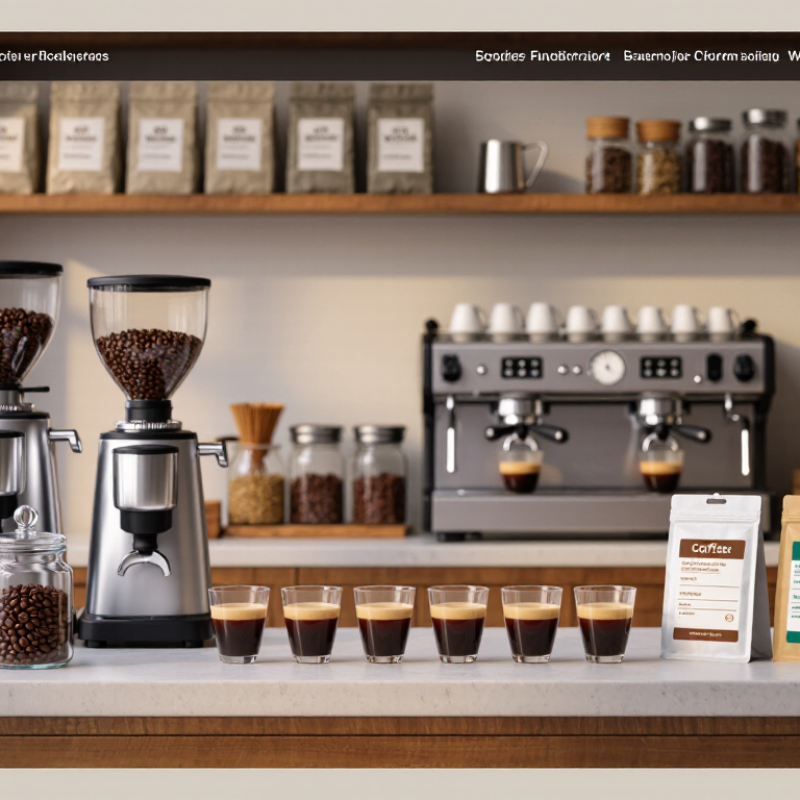
Define Your Business Needs and Customization Goals
Before contacting a coffee supplier, write down who will drink the coffee and where it will be served. A café with a fast morning rush may need a dependable espresso blend that tastes consistent across busy shifts. An office might prefer easy-brewing options and clear reorder quantities. Be specific. Estimate weekly use, storage space, equipment, and the price range customers will accept. Guessing at these numbers can lead to excess stock or awkward menu prices.
Set goals for customization that customers can actually notice. You might want a roast level suited to milk drinks, a distinct flavor profile, or packaging sized for retail shelves. Note whether you need whole beans or ground coffee, and specify grind size if relevant. For example, a coarse grind for batch brewing will not work well in every espresso machine. Ask how samples are prepared and how roast dates, batch consistency, and storage recommendations are communicated. These details help you compare suppliers on more than attractive descriptions.
Separate essential requirements from preferences. A custom label may be useful, but freshness, reliable delivery, and a flavor that fits your menu may matter more. I have seen planning get too focused on packaging; it looks tangible, while taste is harder to define. That is worth questioning. Arrange a small tasting with staff, record simple notes, and test the coffee using your actual water and equipment. Keep the feedback honest, even when the first sample is not quite right. Define what would make you adjust the roast, recipe, or order size before committing to regular purchases.
Explore Coffee Sourcing Models and Supplier Options
Customized coffee can be sourced through direct origin relationships, importers, green coffee suppliers, or contract roasters. Each model offers a different balance of control, workload, and minimum order size. Direct sourcing may provide closer contact with producers, but it also requires planning for shipping, storage, and changing harvest conditions. Importers and specialist suppliers can combine lots and manage logistics, which may suit a smaller business. Samples matter.
Ask suppliers how they track harvest dates, lot details, processing methods, and quality checks. Request repeat samples and compare them using the same brewing recipe. A vivid tasting note is not proof of a consistent supply; one sample can flatter. Contract roasting is another option when you want a custom profile without buying roasting equipment. Confirm the roast specification, packaging options, production schedule, and reorder minimums in writing. Check whether stated certifications match your actual needs, and ask for current supporting documents. Prices can shift, and delivery windows can slip. Build room for that reality into your launch plan.
How to Source Customized Coffee for Your Business
Compare common sourcing models by their potential to tailor key product and purchasing details.
How to read this: Scores are a qualitative planning guide from 1 (more limited) to 5 (more flexible), not measured industry statistics. Options vary by supplier, order volume, and contract terms; confirm capabilities and minimum order quantities directly.
Assess Samples, Pricing, and Supplier Reliability
Customized coffee can look convincing on a product sheet, but the cup tells a more useful story. Request samples made to the proposed roast, grind, and packaging specifications. Brew them with the equipment your customers will use. Note aroma, acidity, body, and aftertaste. Keep simple tasting notes. Test more than one batch when possible. Coffee is agricultural, so seasonal variation can shift its flavor; one excellent sample is not a guarantee.
Ask for an itemized quote covering coffee, packaging, setup fees, shipping, and minimum order quantities. Calculate the cost per finished unit, not just the price per kilogram. Compare like with like. A lower quote may exclude custom labels or leave little room for future price changes. I once overlooked packaging costs in a comparison; the apparent bargain was less attractive afterward. Check payment terms and ask how long the quote remains valid.
Supplier reliability needs evidence beyond a polished introduction. Confirm expected lead times, production capacity, and how the supplier handles damaged goods or inconsistent batches. Ask whether they can share origin and lot details for each shipment. Try a small order before committing to a larger launch. Watch how clearly they answer practical questions. A delayed reply alone proves little; teams get busy, and one conversation is thin evidence. Set expectations in writing, then see whether the first order arrives as promised.
Set Quality Standards, Order Terms, and Replenishment Plans
Customized coffee begins with a written quality brief, not a vague request for a “smooth” roast. Record the target aroma, acidity, body, finish, roast date, and acceptable variation between batches. Ask suppliers to provide roast samples and cup them using the same recipe each time. Keep a retained sample for comparison when an order arrives. Taste it blind.
The National Coffee Association’s 2024 National Coffee Data Trends report found that 67% of U.S. adults had coffee the previous day, a 20-year high.
That broad demand is useful context, not proof that a custom blend will sell. Track your own weekly sales and customer feedback before changing the profile. For repeatable sample evaluations, use the Specialty Coffee Association’s cupping guidance.
Agree in writing on minimum order quantities, lead times, packaging, price validity, and what happens when a batch misses the agreed profile. Details prevent awkward disputes.
Build replenishment around real usage.
A practical reorder point is average weekly use multiplied by lead time, plus a safety buffer.
If your shop uses 12 kilograms weekly, delivery takes two weeks, and you hold one extra week, reorder at 36 kilograms.
Review that number monthly; seasonal demand can make last month’s average misleading. Be honest about the uncertainty.
Forecasts are guesses, even when they look tidy.