Best Tips for Choosing a Home Safe Box for Security?
When it comes to securing valuables at home, choosing the right home safe box is crucial. According to security expert James McGowan, "A safe is only as good as its lock." This statement underscores the importance of examining both the safe's construction and its locking mechanism. Many people overlook this aspect, focusing solely on price or size.
A quality home safe box can protect against theft and fire. However, not all safes are created equal. Some may be lightweight or easy to crack. Look for features such as heavy-duty steel, fire resistance, and reputable locking systems. Considering your specific needs can also guide your decision. What do you need to protect? Is it documents, cash, or jewelry?
Investing in a home safe box is more than just a financial decision; it’s about peace of mind. Remember, if a safe is not properly installed or maintained, its effectiveness diminishes. Seek expert advice to better understand the options available and reflect on what safety means for your home.
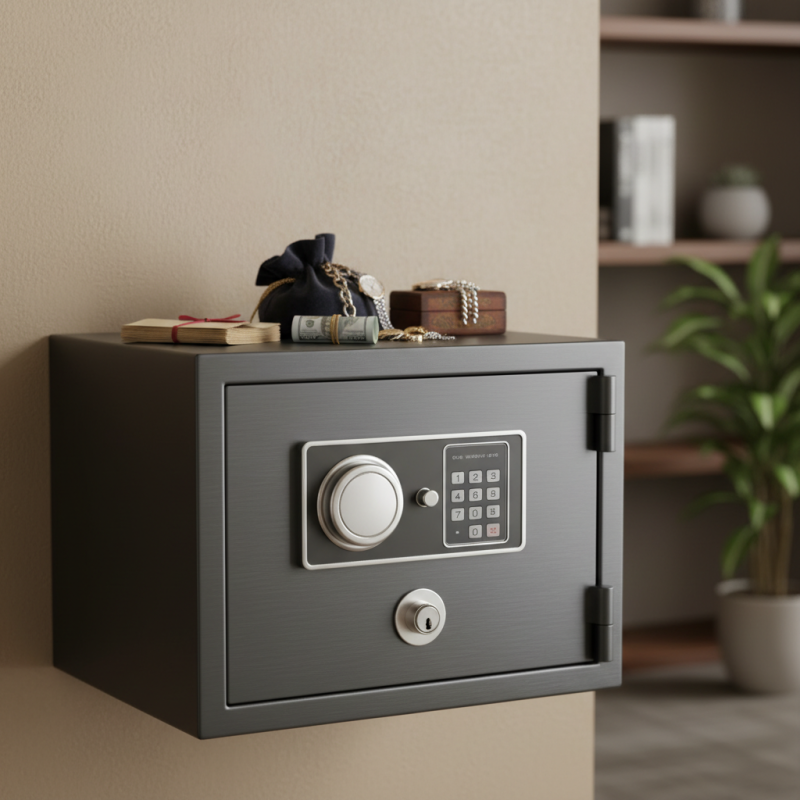
Understanding the Different Types of Home Safe Boxes Available
Choosing a home safe box is essential for protecting your valuables. There are various types available, each serving specific needs. Understanding these options helps in making the right choice.
One common type is the fireproof safe. These safes provide crucial protection against fire damage. They are often rated for different durations. For example, a safe rated for one hour means it can withstand high temperatures for that time. This is vital for preserving important documents like passports, deeds, and family heirlooms. Another option is a waterproof safe. It protects against flooding or water damage, making it suitable for homes in prone areas.
Burglary safes come with advanced locking mechanisms. These safes can require a key, a combination, or even biometric access. It's essential to think about where you plan to place the safe. A good location provides quick access while ensuring concealment. Some safes may even fit nicely in closets or under beds. However, they often need careful installation or bolting to the floor for added security.
Considering all these factors is vital. Doing thorough research can lead to the best decision, but it may also lead to second-guessing your choice. Each person’s situation is different. Think about your specific needs and priorities.
Key Features to Look for When Selecting a Safe Box
When selecting a home safe box, focus on key features that enhance security. One important aspect is the locking mechanism. Options range from traditional key locks to advanced biometric systems. A biometric safe offers quick access, recognizing only your fingerprint. But remember, what works for one may not work for another.
Another crucial feature is size and weight. Your safe should fit your storage needs without being too cumbersome to move. Consider what you plan to store. Important documents, jewelry, or firearms each require different dimensions. Avoid choosing too small a safe; it can lead to overcrowding and potential damage to items. Can you imagine the frustration of trying to fit everything into a too-small space?
Fire resistance is also essential. Check the safe’s fire ratings, as some can withstand extreme temperatures for several hours. This gives peace of mind during emergencies. But not all fireproof safes are waterproof. Reflect on your environment. If flooding is a concern, a waterproof option may be necessary. Balancing these features with your budget can be tricky; it's worth reflecting on your specific needs before making a purchase.
Best Tips for Choosing a Home Safe Box for Security
This chart represents key security features to consider when selecting a home safe box, rated on a scale from 1 to 10 based on their importance level. Each feature is crucial for ensuring the safety of your valuables.
Assessing the Size and Capacity Needs for Your Home Safe
When selecting a home safe, size and capacity are crucial. You need to evaluate what you plan to store. Are you keeping important documents, jewelry, or firearms? Each item has different space requirements. A compact safe works for documents, but larger items need more room. Think about future needs too. Will your collection grow? Choose a size that can accommodate this.
Next, consider the safe's interior arrangement. Some safes come with adjustable shelves. This feature allows maximum utilization of space. A safe with compartments can help organize smaller items, reducing clutter. You don’t want your safe to become a jumbled mess. Measurement is vital here. Use a tape measure to ensure your chosen location fits the safe you desire.
Lastly, be mindful of the weight and location. Heavier safes are harder to move, providing extra security. However, think carefully about placement. A hidden or less accessible spot may be ideal. For example, a basement or a closet can deter thieves. Balancing visibility and accessibility can be tricky. You want quick access while keeping it secure.
Evaluating Security Ratings and Certifications for Home Safes
When selecting a home safe, evaluating security ratings and certifications is crucial. The security industry often relies on ratings from organizations like Underwriters Laboratories (UL) and the American National Standards Institute (ANSI). These ratings help consumers understand how well a safe can protect against theft and fire. For instance, UL ratings assess both burglary and fire-resistance capabilities. A safe with a UL RSC (Residential Security Container) certification has passed rigorous testing, standing against the common risks faced in home settings.
It’s essential to recognize that not all home safes are created equal. Many safes claim to be secure without any recognized certification. According to the Safe Storage Association, almost 30% of consumers purchase safes without checking the security ratings. This can lead to a false sense of security. Before making a purchase, it's wise to research different categories of ratings and what they entail, ensuring the chosen safe meets your security needs.
Moreover, while high security ratings offer reassurance, they also come with a higher price tag. Budgeting for a safe is necessary as some can range from modestly priced to significantly expensive. Some low-cost options might seem appealing, but they may not provide adequate protection. A balance between affordability and security is essential. Understanding these nuances will help in making an informed decision.
Tips for Proper Placement and Installation of Your Home Safe
When selecting a home safe, proper placement and installation are crucial for maximizing security. Reports indicate that 30% of burglars enter through an unlocked door or window, according to a study by the National Council for Home Safety and Security. Position your safe in a discreet and secure location to minimize visibility. Avoid placing it in easily accessible areas, like bedrooms or hallways. Instead, consider less conspicuous places, such as basements or closets, where it blends in with your home decor.
Installation plays a pivotal role in safeguarding your valuables. Secure your safe to the floor or wall using heavy-duty bolts. This will deter opportunistic thieves from simply carrying it away. Additionally, ensure that the code or key to your safe is stored in a separate, secure location. According to the FBI, the average burglary lasts only about eight to ten minutes, which emphasizes the urgency of effective installation. Regularly reassess your home’s layout and security protocols to adapt to any new vulnerabilities.