


Top 10 Roasted Coffee Suppliers for Global Buyers?
Choosing a Roasted Coffee supplier is not just a price exercise. Buyers need consistent flavor, clear origin information, reliable production, and packaging that protects freshness in transit. The market is large, but supply is not frictionless. The USDA Foreign Agricultural Service’s Coffee: World Markets and Trade report (December 2024) forecast global production of 174.9 million 60-kilogram bags for the 2024/25 season. That scale creates choice—and real variation. A strong sample may not reflect every production batch.
Roasting consultant and author Scott Rao’s The Coffee Roaster’s Companion offers a useful principle: in paraphrase, judge roast development by the cup, not color alone. Buyers can apply that idea by requesting roast dates, cupping notes, quality-control procedures, and written specifications. Ask how the supplier handles repeat orders. Request samples from more than one batch. Then brew them using the method your customers actually use. A spreadsheet helps. It cannot taste.
This guide compares ten suppliers for global buyers, with attention to product range, sourcing transparency, roasting capacity, packaging options, and export readiness. These details matter when a container crosses an ocean or a café needs the same profile next month. No list can predict every buyer’s needs. The right partner for a specialty retailer may not suit a high-volume private-label program. Check claims directly, verify current certifications, and test samples before committing. Small details travel far.
Understanding the Global Roasted Coffee Supply Market
Understanding the Global Roasted Coffee Supply Market
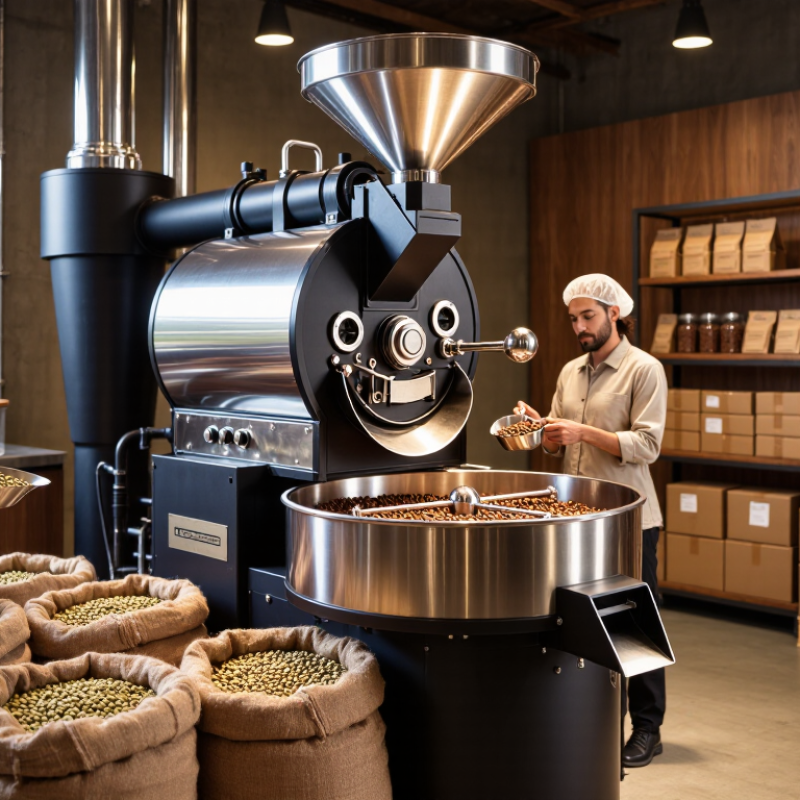
Roasted coffee supply depends on more than harvest volumes. Buyers must coordinate green-bean sourcing, roasting capacity, packaging, and delivery times. The International Coffee Organization’s Coffee Report and Outlook (December 2024) estimated 2023/24 global coffee production at 178 million 60-kilogram bags, against consumption of 177 million. Those figures describe coffee overall, not roasted-coffee shipments. Still, they show how little room a tight market may leave for sourcing errors. Small buffer. A delayed shipment can disrupt production schedules.
Roasted beans also lose freshness over time, so reliable suppliers need consistent roast profiles and packaging that protects aroma. Ask for roast dates, batch traceability, and realistic lead times—not just annual capacity. A sample that tastes good today is useful; repeatability across several shipments matters more. The USDA Foreign Agricultural Service’s Coffee: World Markets and Trade reports track production, exports, and stocks by country, helping buyers assess origin concentration and seasonal exposure. But national data cannot tell you whether a supplier’s actual deliveries arrive evenly.
For global buyers, compare landed cost, minimum order quantities, quality controls, and contingency plans together. Check how suppliers handle crop variation and packaging delays, and request documentation for each lot. A lower quote can conceal longer transit or less frequent roasting. Market reports guide questions; they do not verify a factory’s performance. That gap deserves attention. Just not always enough.
Top 10 Roasted Coffee Suppliers for Global Buyers? — Understanding the Global Roasted Coffee Supply Market
The markets below are illustrative sourcing profiles, not a ranked list of companies or a definitive export ranking. Supplier capabilities vary by roaster, product specification, and destination market.
| Supplier Market | Typical Supply Profile | Common Product Formats | Potential Buyer Advantages | Key Sourcing Considerations |
|---|---|---|---|---|
| Germany | Large coffee-importing, roasting, and distribution market serving domestic and international customers. | Whole bean, ground coffee, espresso blends, organic and private-label products. | Broad supplier base and established logistics links within Europe. | Confirm origin documentation, roast profile, packaging requirements, and whether the quote includes export freight. |
| Italy | Established roasting market with a strong tradition of espresso preparation and blending. | Espresso blends, whole bean, ground coffee, and portioned formats. | Useful for buyers seeking espresso-oriented profiles and consistent blend specifications. | Describe extraction equipment and target taste profile; “Italian-style” is not a standardized product specification. |
| Switzerland | Premium and specialty-oriented roasting market, also associated with a wider European coffee-processing sector. | Specialty single origins, blends, whole bean, ground coffee, and compatible portion packs. | Can offer detailed product information and premium positioning options. | Check minimum order quantities, unit costs, and whether certifications apply to the specific product and facility. |
| Netherlands | Important European trading and logistics hub with domestic roasting and access to international supply chains. | Retail packs, food-service coffee, private label, whole bean, and ground coffee. | Potentially convenient distribution connections for buyers serving multiple European destinations. | Distinguish the roasting location from the trading or shipping location, and confirm the product’s country of origin where relevant. |
| Belgium | European market with roasting, processing, and cross-border distribution activity. | Espresso blends, retail coffee, food-service formats, and private-label lines. | May suit buyers looking for regional European supply and flexible pack formats. | Verify production capacity, packaging languages, and destination-specific labelling compliance. |
| France | Large consumer market with established roasting businesses serving retail and food service. | Ground coffee, whole bean, espresso blends, and single-serve formats. | Offers a range of roast styles and product formats for different retail channels. | Request a sample and a written roast specification; local taste preferences may differ from those in the target market. |
| Spain | Roasting market serving domestic consumption and regional commercial channels. | Espresso-oriented blends, whole bean, ground coffee, and food-service packs. | Can provide options suited to Mediterranean-style espresso and hospitality channels. | Check shelf-life, pack size, and consistency requirements for the intended retail or food-service use. |
| Poland | Growing Central European roasting and coffee-processing market with retail and private-label activity. | Retail ground coffee, whole bean, espresso blends, and private-label products. | May offer access to Central and Eastern European distribution networks. | Assess export experience, quality-control procedures, and lead times for the destination market. |
| United States | Large roasting market encompassing specialty roasters, national-scale production, and private-label supply. | Whole bean, ground coffee, specialty lots, cold-brew-oriented products, and single-serve formats. | Wide variety of roast styles, product concepts, and packaging options. | Freight distance can affect cost and freshness; confirm production dates, shipping conditions, and import requirements. |
| Canada | Roasting market serving domestic retail and food service, with both specialty and larger-scale suppliers. | Whole bean, ground coffee, espresso blends, and private-label packs. | Potentially suitable for buyers seeking North American product specifications and packaging formats. | Confirm export capacity, destination-market labelling, and whether the coffee is roasted domestically or sourced as a finished product. |
Related Posts
-
Understanding the Quality Standards for Roasted Coffee in Global Supply Chains
-

What is Roasted Coffee and How Does It Affect Your Brew?
-
Ultimate Guide to Mastering Barista Coffee Skills at Home
-

Crafting Your Ultimate Home Coffee Bar Experience for Global Buyers
-

How to Identify Top 7 Manufacturers of Robot Coffee Machines for Your Global Procurement Needs
-
Exploring the Unique Features and Ideal Uses of Home Coffee Products