China Top Preschool Sensory Furniture Manufacturers
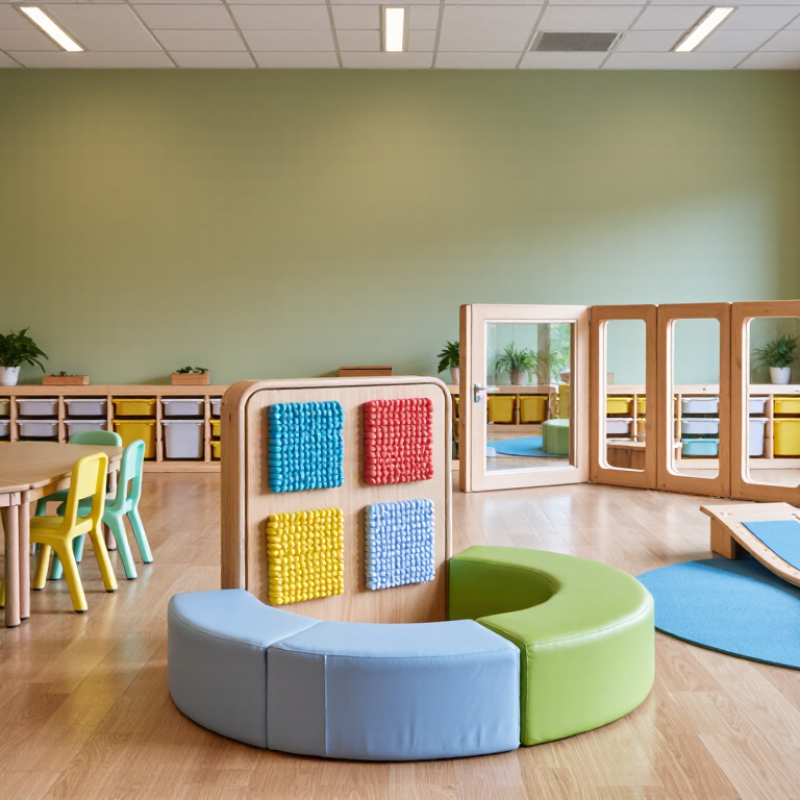
Choosing China Top Preschool Sensory Furniture Manufacturers involves more than comparing prices or colorful catalogs. Preschool Sensory Furniture can include tactile panels, balance elements, soft seating, mirrors, and activity tables. In a classroom, these pieces shape how children move, pause, explore textures, and share space. Small details matter. Rounded edges, stable bases, washable surfaces, and reachable controls are practical features to check.
A reliable supplier should explain materials, dimensions, cleaning needs, and intended age range clearly. Ask for product specifications, installation guidance, and details about quality checks. Photos help, but close-ups of joints, seams, and finishes can tell a more useful story. If a manufacturer offers customization, confirm how changes affect delivery, maintenance, and replacement parts. A lower quote may leave important questions unanswered. That deserves a pause.
This guide introduces manufacturers in China and factors buyers can use to compare them. It considers product range, production experience, communication, customization, and after-sales support, without relying on claims that cannot be verified. Sensory furniture does not replace thoughtful teaching or adult supervision. It is one part of a learning environment. Even a well-made piece may not suit every child or room. The best choice depends on classroom routines, available space, and the needs of the children who will use it.
What Preschool Sensory Furniture Is and How It Supports Early Development
Preschool sensory furniture is designed to invite safe movement and hands-on exploration. It may include textured panels, wobble stools, soft climbing shapes, or low balance platforms. These features offer children chances to notice touch, movement, and body position during everyday play. A rocking seat may help one child settle, while another may find it distracting. The category is not a cure-all; thoughtful observation matters.
The World Health Organization’s 2019 guidelines recommend that children aged three to four get at least 180 minutes of physical activity across the day, including 60 minutes of moderate-to-vigorous activity. Sensory furniture can support opportunities for movement, but it does not replace active play, outdoor time, or adult interaction. Educators can watch how children use each piece: Do they return to it, avoid it, or need help using it safely? Those details can guide practical choices, though responses vary between children.
Tips: Choose washable, stable pieces with rounded edges. Offer a quiet option alongside movement-based furniture, and check regularly for wear. Small changes matter.
Core Furniture Types for Sensory-Rich Preschool Environments
A sensory-rich preschool environment needs more than colorful décor. Its furniture should offer children different ways to move, pause, and engage. Low, stable tables support activities such as sorting textured objects or pressing clay. Soft floor mats and washable cushions create a calmer place for reading or quiet breaks. Small details matter.
Movement furniture can include gentle rocking chairs, balance cushions, and foam stepping shapes. Choose pieces with broad bases and surfaces that are easy to inspect and clean. Open-ended soft blocks also let children build, crawl, or make a temporary retreat. Keep pathways clear, and leave enough room around active equipment for supervised movement. Wall-mounted tactile panels can add touch experiences without taking up floor space, while low shelves make materials easier for children to reach and return. I still question whether every room needs a dedicated “calm corner”; some children prefer a quieter seat near familiar play. That takes practice. Observe how children actually use each piece, then adjust the layout instead of assuming one setup suits everyone.
How Chinese Manufacturers Design and Produce Sensory Furniture
China’s preschool sensory furniture manufacturers turn classroom observations into practical design choices. Designers map quiet corners, movement paths, and shared play zones before selecting furniture forms. They may combine low climbing steps, textured panels, rocking seats, and soft partitions. Each feature should invite exploration without blocking supervision or creating clutter.
Material choices shape how products feel and perform. Teams compare foam density, fabric cleanability, seam strength, and frame stability. They build prototypes, check pinch points, and observe how children use them. Small details matter.
The CDC’s 2023 surveillance report estimated that 1 in 36 eight-year-old children in monitored U.S. communities was identified with autism in 2020. This is not a furniture specification, but it underscores why varied sensory preferences deserve attention. A single “sensory” feature will not suit every child. Manufacturers should test products with educators and revise designs when real use exposes weak points.
Tips: Ask suppliers for material specifications, cleaning guidance, stability-test records, and prototype feedback. Check whether textures and movement options can be used separately. Not every room agrees. A design may still need adjustment after installation.
Materials, Safety Standards, and Quality Controls
Preschool sensory furniture asks children to touch, push, climb, and repeat. Materials must withstand that daily contact. Manufacturers in China may use plywood or solid wood frames, washable fabrics, and resilient foam. Buyers should request clear material specifications, including coating type and cleaning instructions. A smooth finish is not enough; edges, seams, and exposed fasteners need close inspection.
Safety checks should match the destination market and the furniture’s intended use. Ask for current test reports and confirm which product models they cover. Inspect stability, load capacity, pinch points, small detachable parts, and surface durability. Sensory panels with moving pieces need particular attention. Small details matter. Standards can differ between markets, so a generic certificate may not answer every purchasing question.
Reliable quality control starts before assembly. Factories can check incoming material dimensions, moisture levels, and visible defects, then record results by batch. During production, sample checks should cover joint strength, finish consistency, and sharp edges. Keep traceable inspection records. No checklist catches everything. A real weakness is that rushed spot checks may miss variation across a large order, so buyers should review sampling plans and independent reports where appropriate. Packaging also deserves testing; corners can be damaged in transit.
How to Evaluate Preschool Sensory Furniture Manufacturers in China
China Top Preschool Sensory Furniture Manufacturers
How to Evaluate Preschool Sensory Furniture Manufacturers in China
When evaluating preschool sensory furniture manufacturers in China, look beyond polished product photos. Ask how long the team has made items such as balance boards, tactile panels, and soft-play modules. Request drawings, material details, and examples of comparable projects. A reliable manufacturer should explain how products are built, cleaned, and maintained. Specific answers matter.
Review the materials closely. Ask for relevant test reports and written information about finishes, foam, fabric, and load limits. Check seams, rounded edges, fasteners, and stability on a sample unit. If possible, arrange a video inspection or independent quality check before shipment. Confirm packaging dimensions and lead times in writing. These details can reveal gaps that a brochure will not. One limitation: a sample may not represent every production batch, so agree on inspection criteria before ordering.
Tips: Send the same checklist to each supplier. Compare response quality, not just price. Ask what happens if measurements differ from the approved drawing. Keep one awkward question in the process; clear answers are more useful than perfect-sounding promises.
How to Evaluate Preschool Sensory Furniture Manufacturers in China
Suggested procurement scorecard: allocate 100 points across these evaluation areas. The weights are a practical framework, not survey results or ratings of specific manufacturers.
Request supporting evidence for each area, such as applicable safety test reports, material specifications, production samples, quality-control records, and written warranty terms. Confirm that documents match the exact product and destination market.