Top 10 RFID Scanners to Boost Your Supply Chain Efficiency?
In today's fast-paced supply chain landscape, efficiency is paramount. An Rfid Scanner can revolutionize operations by streamlining tracking and inventory management. These devices use radio waves to scan tags attached to products, reducing human error and saving time.
Implementing an RFID scanner can uncover hidden issues within your processes. For example, outdated inventory systems can lead to stockouts or overordering. Identifying these gaps is crucial for improving overall efficiency. With the right scanner, businesses can gain real-time visibility into inventory levels, which is essential for informed decision-making.
However, not all RFID scanners are created equal. Some may lack the range or durability needed for demanding environments. As you explore top models, consider factors like read speed, integration capabilities, and pricing. The right fit will address specific challenges in your supply chain, helping you maximize productivity.
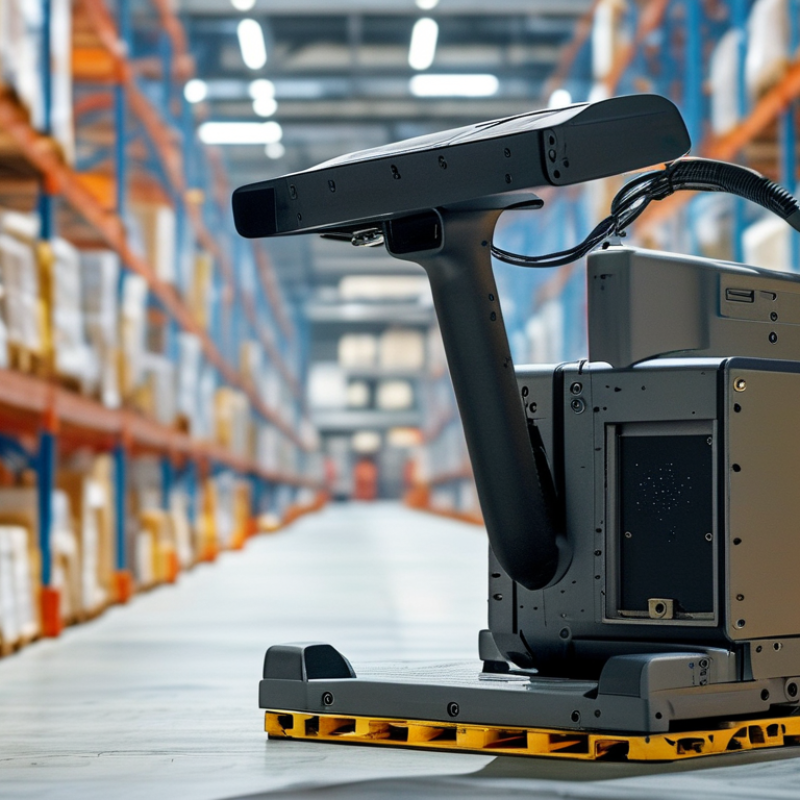
Understanding RFID Technology and Its Role in Supply Chain Management
RFID technology has significantly transformed supply chain management. Its ability to track items in real-time enhances visibility. According to recent reports, companies utilizing RFID experience inventory accuracy rates exceeding 99%. This reliability minimizes losses and boosts overall efficiency.
Integrating RFID scanners into the supply chain offers numerous advantages, such as reducing labor costs and increasing productivity. For instance, an RFID-enabled inventory system can save up to 30% in labor costs compared to traditional barcode systems. Moreover, it helps prevent stockouts and overstock situations. However, implementing these systems requires careful planning and consideration of existing infrastructure.
Tips: Ensure proper training for staff to handle RFID technology effectively. Monitor performance regularly to identify issues early. Understand the initial investment may seem high, but the long-term savings are substantial. Emphasizing these factors can lead to substantial improvements in supply chain operations.
Key Features to Look for in an RFID Scanner
When selecting an RFID scanner to enhance your supply chain efficiency, focus on key features that matter most. The read range is crucial. A good scanner should capture data from several feet away, reducing the need for close interactions. Look for devices with multi-tag reading capabilities to increase speed and accuracy during inventory processes.
Another important aspect is durability. In bustling environments, scanners often face rough handling. Choose models built to withstand drops, water, and dust. Battery life is equally vital. Long-lasting batteries ensure your team won’t encounter downtime during busy operations. Ergonomics cannot be overlooked, either. If a scanner is uncomfortable to hold, your team may avoid using it, negatively impacting efficiency.
Software compatibility also matters. Make sure the scanner can integrate with your existing systems. A seamless connection helps in maintaining data integrity and streamlining processes. User reviews can often provide insights into real-world performance and reliability, so consider them carefully. It's essential to find a balance between features and cost, as some scanners may offer advanced capabilities that you may not need.
Top 10 RFID Scanners to Boost Your Supply Chain Efficiency
This bar chart illustrates the scanning speed (in milliseconds) of the top 10 RFID scanners that can enhance supply chain efficiency. The ability to quickly read RFID tags is essential for optimizing inventory management and reducing errors in the supply chain.
Top 10 RFID Scanners: Features and Specifications
In today's fast-paced supply chain landscape, selecting the right RFID scanner is crucial. RFID technology enhances inventory accuracy and optimizes operational efficiency. When considering features and specifications, various aspects come into play.
First, the range of an RFID scanner matters. Some devices only work well within short distances, while others excel with longer read capabilities. Battery life is another vital specification. If a scanner runs out of power frequently, it can cause delays. Ergonomics also impact usability. A comfortable scanner allows staff to work efficiently, reducing fatigue.
Many scanners offer different connectivity options. This feature ensures compatibility with existing systems. User interface design is essential too; a simple layout saves training time. However, it’s crucial to acknowledge that no scanner is without flaws. Some may struggle in congested environments or with certain RFID tags. Regular updates and maintenance can help mitigate these issues. Investing in a quality scanner can lead to improved results, but it requires careful consideration of each feature's practical implications.
Comparative Analysis of Performance and Pricing
When selecting RFID scanners, performance and pricing play significant roles in enhancing supply chain efficiency. Various models vary in their reading range, speed, and accuracy. Some scanners excel in dense environments but may cost more. Others offer basic functionality at lower prices, impacting their usability in complex supply chains.
A thorough analysis reveals essential factors including connectivity options, battery life, and user interface. Scanners with Bluetooth or Wi-Fi capabilities simplify data transfer, streamlining operations. Buyers must weigh these features against the price, ensuring the right balance for their needs. Limited budgets might prevent access to advanced models, but sometimes these extra features are not necessary for every operation.
Choosing the right scanner is challenging. Companies must assess their specific requirements. A higher price does not always guarantee better performance in all scenarios. Continuous evaluation and feedback from users can lead to more informed decisions. Ultimately, the goal is to improve efficiency without overspending, a task that requires thoughtful consideration and sometimes, a little trial and error.
Top 10 RFID Scanners to Boost Your Supply Chain Efficiency
| Model | Scanning Range (meters) | Read Rate (tags/sec) | Battery Life (hours) | Price (USD) |
| Model A | 6 | 150 | 20 | 250 |
| Model B | 8 | 200 | 25 | 300 |
| Model C | 10 | 175 | 22 | 280 |
| Model D | 7 | 160 | 18 | 240 |
| Model E | 9 | 185 | 30 | 320 |
| Model F | 6 | 170 | 15 | 220 |
| Model G | 8 | 190 | 28 | 290 |
| Model H | 7 | 165 | 27 | 260 |
| Model I | 10 | 200 | 32 | 350 |
| Model J | 7 | 155 | 19 | 230 |
Real-World Applications and Case Studies of RFID Scanners in Supply Chains
In supply chain management, RFID scanners are making a significant impact. These devices help track inventory in real-time, reducing errors and improving accuracy. A major retailer implemented RFID technology and reported a 30% decrease in stock discrepancies. Such improvements highlight the practical benefits of using RFID.
A food industry case study showcases the effectiveness of RFID scanners. By tracking perishable goods, companies enhanced their inventory management. They pinpointed products nearing expiration and adjusted orders accordingly. This proactive approach minimized waste and improved product freshness. However, some challenges persist. Initial setup costs can be high, and integrating RFID with existing systems may need careful planning.
Training staff on RFID technology is crucial. Employees must understand the importance of accurate data entry. A lack of training can lead to inconsistent results. Regular audits and updates are essential for maintaining efficiency. Reflecting on these cases, it's clear that while RFID scanners offer numerous advantages, organizations must remain vigilant in their implementation strategies.