What is a Water Pump Casing and How Does It Work?
The water pump casing plays a crucial role in the functionality of a water pump. It houses the pump's internal components and protects them from external elements. This casing ensures that water flows efficiently through the pump system while maintaining pressure. Without a proper water pump casing, leaks and inefficiencies can occur, affecting overall performance.
Understanding how a water pump casing works can enhance your ability to maintain and repair pumps. It is not just a protective shell; it helps in directing water flow and optimizing pressure. Each casing is designed differently based on the pump type, making it unique.
Many users overlook the importance of their water pump casing. This can lead to mechanical failures down the line. A worn or cracked casing can result in costly repairs. It is vital to regularly inspect and maintain the water pump casing. Not paying attention to these details can create problems that may seem small at first but can become significant over time.
What is a Water Pump Casing?
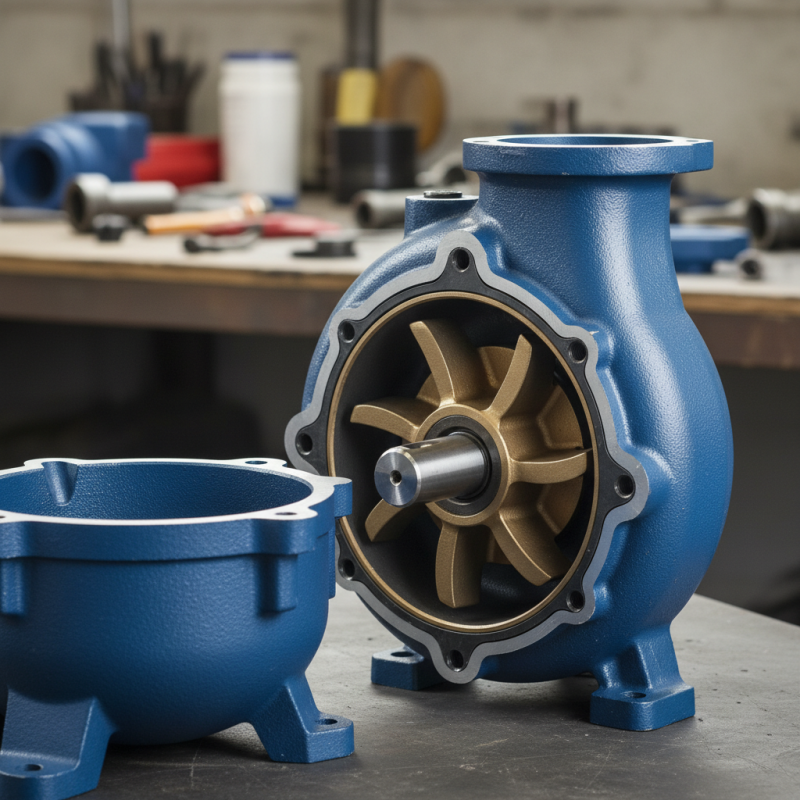
A water pump casing is a critical component in the operation of water pumps. It serves as the outer shell that contains the pump's inner mechanisms. Typically made of durable materials, the casing protects the internal parts from external elements and pressures. This robust design is essential for efficient water movement from one place to another.
The primary function of the casing is to house the impeller, which is vital for generating the flow of water. When the motor turns the impeller, it creates a vacuum that draws water into the casing. The casing's shape and size directly influence the pump's efficiency. A poorly designed casing may lead to turbulence, reducing effectiveness.
However, not all casings are created equal. Some might corrode over time, affecting performance. Regular maintenance is often neglected, which can lead to costly repairs later. Users should be mindful of the signs of wear. Water leaks or unusual noises from the pump may indicate issues within the casing. Understanding these details helps users keep their systems running smoothly.
The Structure and Design of Water Pump Casings
Water pump casings are crucial components in the operation of pumps. They encase the impeller and create a sealed environment for the water being pumped. This structure is typically made of durable materials like metal or reinforced plastic. Casings can vary in design, but most share a common goal: to efficiently direct flow. They are often shaped in a way that minimizes turbulence, enhancing performance.
The design of a water pump casing affects its efficiency and reliability. Engineers must consider factors like size, shape, and material. A well-designed casing can improve the pump’s overall performance, while a poorly designed one may lead to leaks or excess vibrations. It's important to balance these design elements to achieve optimal results. Mistakes in design can be costly. Sometimes, modifications post-manufacture are needed, which can be frustrating and time-consuming.
Additionally, the internal structure of the casing plays a role in fluid dynamics. A casing with smooth interior surfaces can reduce friction. However, achieving perfect smoothness is challenging. Some variations in surface quality could arise during manufacturing. These imperfections can lead to unexpected performance issues. Regular testing and revisions may be necessary to ensure reliability. This ongoing process highlights the complexities involved in water pump casing design.
How Water Pump Casings Function in Fluid Dynamics
A water pump casing plays a crucial role in fluid dynamics. It houses the impeller and directs fluid flow in a controlled manner. The design of the casing influences efficiency and pressure. Proper shaping can minimize turbulence. This results in smoother liquid movement and better performance.
Tip: Always check for wear and tear on your pump casing. A damaged casing can lead to leaks. Small issues can escalate quickly if not addressed.
Fluid dynamics within a pump casing are complex. The interactions of speed and pressure matter. A casing that is well-designed can enhance flow rates. However, if the casing is poorly constructed, it can restrict flow. This will ultimately hinder performance.
Tip: Consider the materials used for your pump casing. Not all materials withstand corrosion equally. Choosing the right one is essential for longevity.
Understanding these principles can help in selecting the right pump casing. Attention to detail in the design can prevent future problems. Seeking expert advice may be beneficial.
Common Materials Used in Water Pump Casings
Water pump casings play a critical role in the operation of pumps. They house the internal components and ensure effective hydraulic performance. Common materials for these casings include cast iron, stainless steel, and thermoplastics. Each material offers distinct advantages.
Cast iron is the most widely used material. It provides excellent durability and strength. According to industry reports, over 40% of water pumps utilize cast iron for this reason. However, it can be prone to corrosion. In contrast, stainless steel is highly resistant to corrosion and is used where water quality is a priority. Although more expensive, it offers a longer lifespan.
Thermoplastics have gained popularity for their lightweight and corrosion-resistant properties. They are ideal for specific applications, especially in environments where metal corrosion is a concern. However, they may not always handle high-pressure scenarios as well as metal casings.
Tips: Always consider the environment when selecting a casing material. For high-corrosion areas, stainless steel or thermoplastic may be best. Regular maintenance can also help prolong the life of your pump casing.
Maintenance and Troubleshooting for Water Pump Casings
Water pump casings play a crucial role in the efficient operation of water pumps. Regular maintenance is essential to ensure longevity and prevent issues. One common problem is corrosion, which can weaken the casing. Check for rust periodically and take action if found. Cleaning the casing can also help prevent buildup that may obstruct flow.
Observing unusual sounds or vibrations is important. These signs often indicate a problem. Tightening loose fittings may resolve minor issues. However, if problems persist, consider consulting a professional. Maintain lubrication in moving parts to ensure smooth operation. Neglecting lubrication can lead to premature wear.
Don’t overlook leaks. A small leak can escalate quickly and cause significant damage. Inspect seals for wear and replace them if necessary. Regular visual inspections should be part of your routine. Taking the time to address minor issues can prevent larger problems in the long run. Always strive for proactive maintenance; it’s better than dealing with costly repairs later.