Why Choose a Cast Iron Casserole for Your Cooking Needs?
When it comes to cooking, a cast iron casserole stands out for its durability and versatility. These heavy-duty dishes can handle intense heat and retain it well. You can use them on the stovetop or in the oven. The ability to sear meats and slow-cook stews makes them a favorite among many home chefs.
Unlike fragile alternatives, a cast iron casserole offers longevity. Some families pass down their cast iron cookware through generations. This creates a connection to cooking traditions. However, using cast iron requires care. The seasoning can wear off, and rust can develop if not properly maintained. It’s crucial to clean and dry it correctly.
Many appreciate the unique flavor that a well-seasoned cast iron casserole brings. It enhances the taste of slow-cooked meals. Yet, newcomers may find the initial learning curve daunting as they adjust to the cleaning process. Choosing a cast iron casserole means embracing both its challenges and rewards in the kitchen.
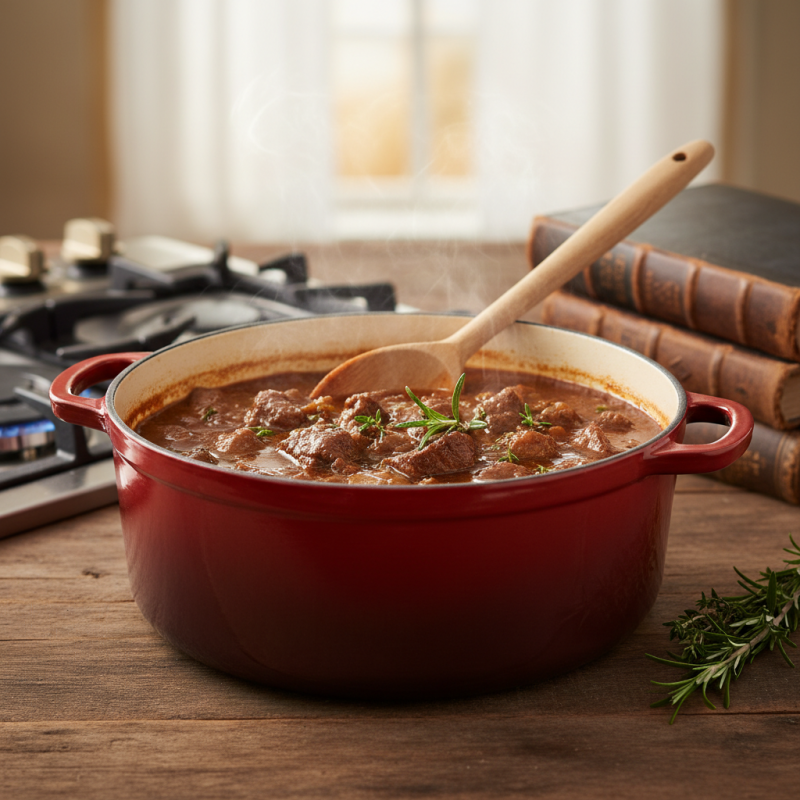
Benefits of Using Cast Iron Casseroles in Cooking
Cast iron casseroles are a kitchen essential for many cooking enthusiasts. They distribute heat evenly, ensuring that every bite is perfectly cooked. The ability to retain heat is unmatched, making them ideal for slow-cooked meals. Imagine a pot of stew bubbling away, filling your kitchen with delightful aromas. The thick walls of the casserole make it a durable option for everyday cooking.
Using cast iron has its quirks. The seasoning process requires attention. Over time, the surface can lose its non-stick properties if not cared for properly. Nevertheless, this challenge brings a sense of accomplishment to cooks. With each use, you could nurture a seasoned patina that enhances flavor. Their weight can also create fatigue during extended cooking sessions.
These casseroles offer versatility. Whether it’s on the stovetop or in the oven, they handle it all. Roasting vegetables or baking bread becomes an experience to cherish. While they are not perfect, the benefits far outweigh the drawbacks. The connection they create between cooking and creation is priceless.
Durability and Longevity of Cast Iron Cookware
Cast iron cookware is known for its impressive durability and longevity. Research indicates that cast iron pans can last decades when maintained properly. Some even claim these pots can be passed down through generations. This durability is primarily due to their robust construction. They resist warping and cracking, unlike many other cookware materials.
However, using cast iron isn't always perfect. Seasoning is essential to maintain its non-stick surface. Failure to do this can result in food sticking. Additionally, cast iron is heavy. This weight can be a challenge for some users. It's important to lift and handle with care.
Studies have shown that cast iron cookware can enhance cooking. The even heat distribution ensures meals are cooked thoroughly. Additionally, cooking with cast iron can increase dietary iron intake. This is especially beneficial for individuals needing more iron in their diets. Yet, care must be taken to avoid overheating, as it can release unwanted flavors. Overall, while cast iron offers many advantages, there are considerations to keep in mind for the best cooking experience.
Versatility of Cast Iron Casseroles in Different Recipes
Cast iron casseroles are incredibly versatile in the kitchen. They can handle various cooking methods, from slow braising to quick frying. These sturdy pots retain heat exceptionally well. As a result, foods cook evenly. Soups and stews develop rich flavors over hours of simmering. You can even bake bread or desserts in them!
The beauty of cast iron lies in its adaptability. Imagine transitioning a casserole from stovetop to oven. You can make a hearty chili on the burner and finish it with a cheesy crust under the broiler. Yet, not all recipes shine in cast iron. Some delicate dishes may stick or scorch if not monitored closely. It takes practice to master these pots, but the results can be rewarding. Trying new recipes in a cast iron casserole can lead to unexpected successes and learning moments.
Cast Iron Casserole Versatility in Different Recipes
Heat Retention and Distribution in Cast Iron Cookware
Cast iron casseroles are cherished for their exceptional heat retention and distribution. When cooking, even heat is crucial. Unlike some materials, cast iron doesn’t have hot spots. It warms evenly, ensuring that every bite of your dish is perfectly cooked. This quality makes it ideal for slow-cooked meals. You can simmer stews for hours without worrying about burning.
One tip for using cast iron is to preheat your casserole slowly. This helps in achieving consistent cooking. When you add food, it will barely lose heat. Another suggestion is to apply a thin layer of oil before cooking. This protects the surface and enhances the flavors. Remember, while cast iron is durable, it does require care. Improper cleaning can lead to rust. Be mindful of how you treat your cookware.
Cooking with cast iron can be a learning curve. It holds onto heat longer than other materials. You might find yourself underestimating cooking times. Adjusting your strategies is often necessary. Embrace this journey. There’s no perfect formula. Each dish is a chance to explore new techniques and flavors.
Maintenance and Care Tips for Cast Iron Casseroles
Caring for a cast iron casserole is essential for longevity. It requires specific attention to maintain its seasoning and prevent rust. Always clean it properly after each use. Avoid soaking it in water. Instead, use a stiff brush or sponge with mild soap and warm water. Dry it thoroughly to prevent moisture build-up.
Regular seasoning helps protect and enhance the cooking surface. After cleaning, apply a thin layer of vegetable oil. Place it in the oven upside down at a low temperature for an hour. This process might feel tedious but is vital. It creates a non-stick surface that improves with each use. Remember, each time you cook, consider the seasoning.
Occasionally, you may notice food sticking. This doesn’t mean it’s ruined. Reflect on your cleaning habits. If it’s too abrasive, it may strip away the seasoning. Reapply oil and bake it again to restore its surface. It takes commitment, yet the rewards are flavorful dishes and a reliable kitchen companion.