Why Choose Cosmetic Squeeze Tubes for Packaging?
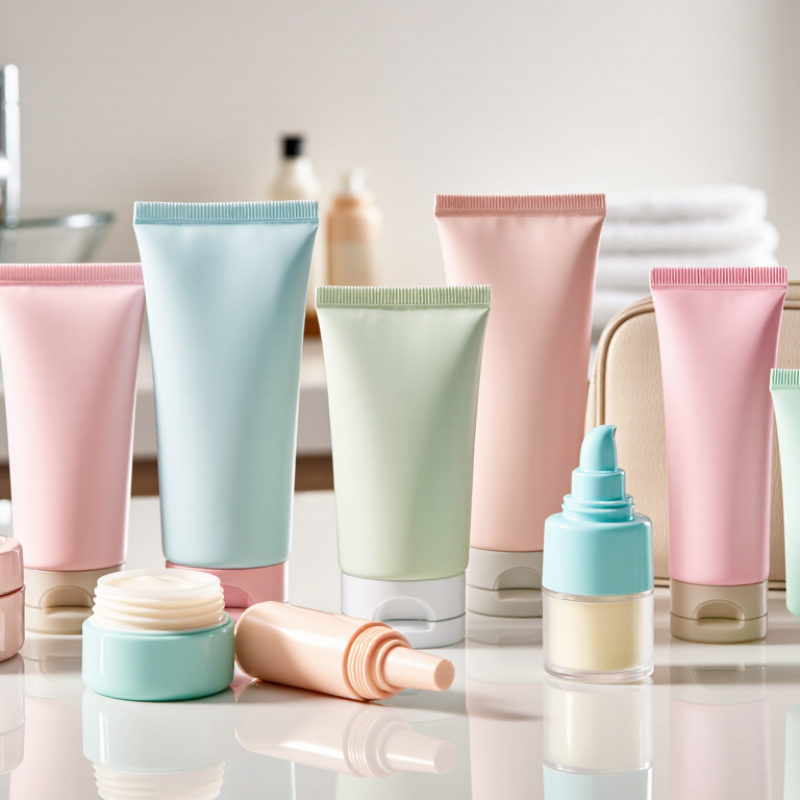
Cosmetic Squeeze Tubes offer a practical way to package creams, cleansers, gels, and other personal-care products. Their flexible walls let users dispense product with controlled pressure, while a narrow opening can help limit mess around a sink or makeup bag. Small details matter: the tube’s shape, cap, opening, and material all affect how it feels in daily use.
The format is not perfect. A tube may look convenient on a sample table but become difficult to squeeze when the formula is thick or the package is nearly empty. That matters. Product compatibility, filling requirements, and the intended user should guide the choice, rather than appearance alone. Material selection also deserves care; recyclability can depend on the tube’s construction and the recycling options available locally.
This guide explores why brands choose Cosmetic Squeeze Tubes, including their dispensing convenience, portability, design flexibility, and potential packaging trade-offs. It also considers practical questions about tube materials, closures, and how packaging works with a specific formula. No package suits every product. A thoughtful choice starts with testing the actual formula and considering how customers will use it—not just how the finished tube looks.
What Cosmetic Squeeze Tubes Are: Materials, Layers, and Formats
Cosmetic squeeze tubes are flexible containers made from a tube body, shoulder, and closure. Common body materials include polyethylene (PE), while caps and shoulders may use PE or polypropylene (PP). A single-layer PE wall is simple in construction. For formulas sensitive to oxygen, light, or fragrance loss, manufacturers may use co-extruded layers, such as PE with an EVOH barrier and bonding layers. Laminated tubes use printed film joined into a tube, sometimes with an aluminium barrier. These formats differ in barrier performance, decoration, and how easily they can be processed after use.
The choice is practical, not just visual. A thick hand cream may need a wider opening and a tube that squeezes without splitting; a thin lotion needs more control. Not every tube sorts cleanly. The OECD’s Global Plastics Outlook (2022) reports that packaging made up 40% of plastic waste generated worldwide in 2019. That figure covers packaging broadly, not cosmetic tubes alone, but it highlights why material choices matter. Mono-material PE may be easier to sort where suitable collection systems exist. Yet a barrier layer, mixed-material cap, label, or leftover product can complicate the result.
A glossy laminate can protect a formula well, but that does not automatically make it the better package. A soft, premium feel is not proof of easier recycling. Tube selection should balance product compatibility, barrier needs, squeeze performance, and the recovery options available in the intended market. One detail is easy to overlook: the tube must still dispense well when nearly empty.
Why Choose Cosmetic Squeeze Tubes?
Common Tube Structures: Representative Layer Counts
Monolayer PE tubes use a single material layer. Representative five-layer co-extruded plastic barrier (PBL) structures can include PE, tie layers, and an EVOH barrier; five-layer aluminum barrier (ABL) structures can include PE, adhesive, and aluminum layers. Actual constructions vary by product and manufacturer; layer count alone does not determine package performance.
How Tube Barriers Help Protect Formulas from Light, Air, and Contamination
Why Choose Cosmetic Squeeze Tubes for Packaging?
Cosmetic squeeze tubes can help shield creams, gels, and lotions from everyday exposure. Light may alter sensitive ingredients, while oxygen can gradually affect color, scent, or texture. A tube’s barrier depends on its material and construction. Some use layered structures to slow light and air transfer. Not every tube performs the same. Product testing helps confirm whether the packaging suits a particular formula.
A narrow opening also limits how much product contacts air between uses. The flexible body lets users dispense product without dipping fingers into a jar, which can reduce one route of contamination. A secure cap and clean nozzle matter, too. Residue around the opening can collect dust or product buildup. Squeeze tubes are helpful, but they do not make a formula sterile or prevent every change.
Tips: Match the tube material to the formula, especially when it contains light-sensitive ingredients. Check that the cap closes firmly, and keep the nozzle clean. Store the tube away from direct sunlight and excessive heat. Small details count. Even a well-chosen package cannot compensate for poor storage or a damaged seal.
How Closures and Nozzles Shape Product Dispensing and Daily Use
A cosmetic squeeze tube is only as practical as the closure at its end. The cap protects the opening between uses, while the nozzle controls how much product reaches the fingertips. Small parts matter. A hinged flip-top is quick to open with one hand, but its hinge may feel awkward when stiff or slippery. A screw cap can feel secure, though it takes more effort during a rushed morning routine.
Nozzle size should suit the formula and the way people apply it. A narrow opening can help dispense a small amount of eye cream or lotion onto one finger. A wider nozzle may work better for thicker creams, which can resist narrow channels. If the opening is too large, though, a squeeze may release more than intended. That little spill can make a tube messy around the cap. Product makers can test dispensing with real samples, checking both a gentle squeeze and a nearly empty tube.
Daily use also depends on grip, sealing, and cleaning. A cap should close without excessive force, and the nozzle should not trap a stubborn ring of dried product. There is no perfect combination for every formula. A tube may look polished on a shelf and still be frustrating in a damp bathroom. Testing it in ordinary conditions can reveal details that a display sample misses.
Tube Circularity in Context: OECD Found 9% of Plastic Waste Was Recycled in 2019
OECD estimated that only 9% of plastic waste was recycled in 2019. That figure puts cosmetic packaging in a difficult context: a package is not circular simply because it can be squeezed nearly empty. What happens after use matters too. Collection systems, sorting equipment, and local recycling rules all influence whether a tube is recovered or discarded.
A squeeze tube can protect a formula and dispense it in small amounts, reducing the product left clinging to a container. It is also lightweight and easy to handle. But some tubes combine different materials, which can complicate sorting and recycling. Design choices matter. A tube made with compatible, clearly identified materials may fit some recycling systems better, though acceptance varies by location. Consumers should check local guidance rather than assume every tube belongs in the recycling bin.
There is room for improvement. Packaging teams can test how easily a tube empties, whether its components separate, and whether local facilities can process it. These checks are practical, not glamorous. And the 9% figure is a reminder that better packaging alone cannot fix weak collection and recycling systems. A tube may be thoughtfully designed and still miss its intended next use.
Why Choose Cosmetic Squeeze Tubes for Packaging? — Tube Circularity in Context: OECD Found 9% of Plastic Waste Was Recycled in 2019
| Measure or Design Consideration | Data or Fact | What It Means for Cosmetic Squeeze Tubes |
| Global plastic waste generated | Approximately 353 million tonnes in 2019. | This is the global context for packaging choices; it is not a measurement of cosmetic tubes alone. |
| Plastic waste recycled | About 9% in 2019. | Recyclability depends on the tube’s materials and on whether local collection and sorting systems accept it. |
| Plastic waste incinerated | About 19% in 2019. | Designing for material recovery is distinct from disposal through incineration. |
| Plastic waste sent to sanitary landfills | Nearly 50% in 2019. | Packaging that is difficult to sort or recycle may still end up in landfill, depending on local waste systems. |
| Plastic waste mismanaged | About 22% in 2019, including waste disposed of in uncontrolled dumpsites or released through open burning or leakage into the environment. | Clear disposal guidance and compatibility with local collection systems matter; a recyclable design alone does not ensure recycling. |
| Tube material construction | Squeeze tubes may use different material structures, including single-material designs and structures combining multiple materials. | When evaluating a tube, check the full structure—including the body, shoulder, cap and any barrier layer—rather than the tube body alone. |
| Product dispensing | A squeeze tube dispenses product by compressing its flexible body. | This format can make controlled dispensing practical for many creams, gels and lotions. Actual product protection and usability depend on the specific formulation and package design. |
| Recycling claim check | Recyclability is influenced by package design as well as collection, sorting and recycling infrastructure. | Before making a recycling claim, verify that the complete tube is accepted and processed in the intended market. |
Global waste figures are rounded OECD estimates for 2019 and describe plastic waste overall, not cosmetic squeeze tubes specifically. Source: OECD, Global Plastics Outlook.
EU Packaging Rules: The 2030 Recyclability Requirement for Tube Design
Cosmetic squeeze tubes can protect creams while dispensing them with little mess. But under the EU Packaging and Packaging Waste Regulation, packaging placed on the market will need to meet design-for-recycling criteria from 2030. The practical test is not a recycling symbol alone. A tube’s body, shoulder, cap, label, inks, and barrier layers all affect sorting and processing. Small details matter.
For tube design, fewer material combinations can make recovery easier. A polyethylene body with a compatible closure may be simpler to recycle than a tube combining several plastics, aluminium, and hard-to-separate layers. Yet product protection still matters. A sensitive cream may need an oxygen or light barrier. Removing layers without testing could shorten shelf life or cause more product waste. Trade-offs are real.
The regulation’s performance grades and technical criteria are being phased in, so check current EU guidance before finalising specifications. Test the complete pack, including its cap and label, rather than relying on a resin description. Ask packaging suppliers for material breakdowns and evidence from relevant recyclability assessments. A simpler tube is a useful starting point, not proof that it will be recycled in every market.